


 Call Us
 Email Us
 Book a time
Knowing what to do next can be difficult when changes in the lower face start to feel more noticeable.
For many people, this is when they start searching for information on FaceTite vs facelift. One involves surgery, while the other does not, which can make the decision feel unclear.
Some people may not feel ready to consider surgery. Others may be unsure whether a non-surgical option is suitable for the changes they are seeing.
These approaches have different roles. They involve different levels of intervention, recovery, and expected change.
Understanding how they differ can help support a more informed discussion during consultation.

Why people compare FaceTite with a facelift
People often come across these two options in the same search because both relate to changes in the lower face and neck.
At a glance, they may appear to address similar concerns. This can make it harder to understand how they differ and when each one may be considered.
The comparison often becomes more relevant when people begin looking into treatment options and see both approaches discussed side by side.
One option involves surgery to reposition underlying structures. The other is a non-surgical procedure performed using a different technique.
This difference in how each procedure is performed is what places them in separate categories, even though they are often discussed together.
What each treatment is designed to do
A facelift is designed to reposition deeper facial tissues and remove excess skin. It is usually considered when skin laxity or facial descent is more advanced.
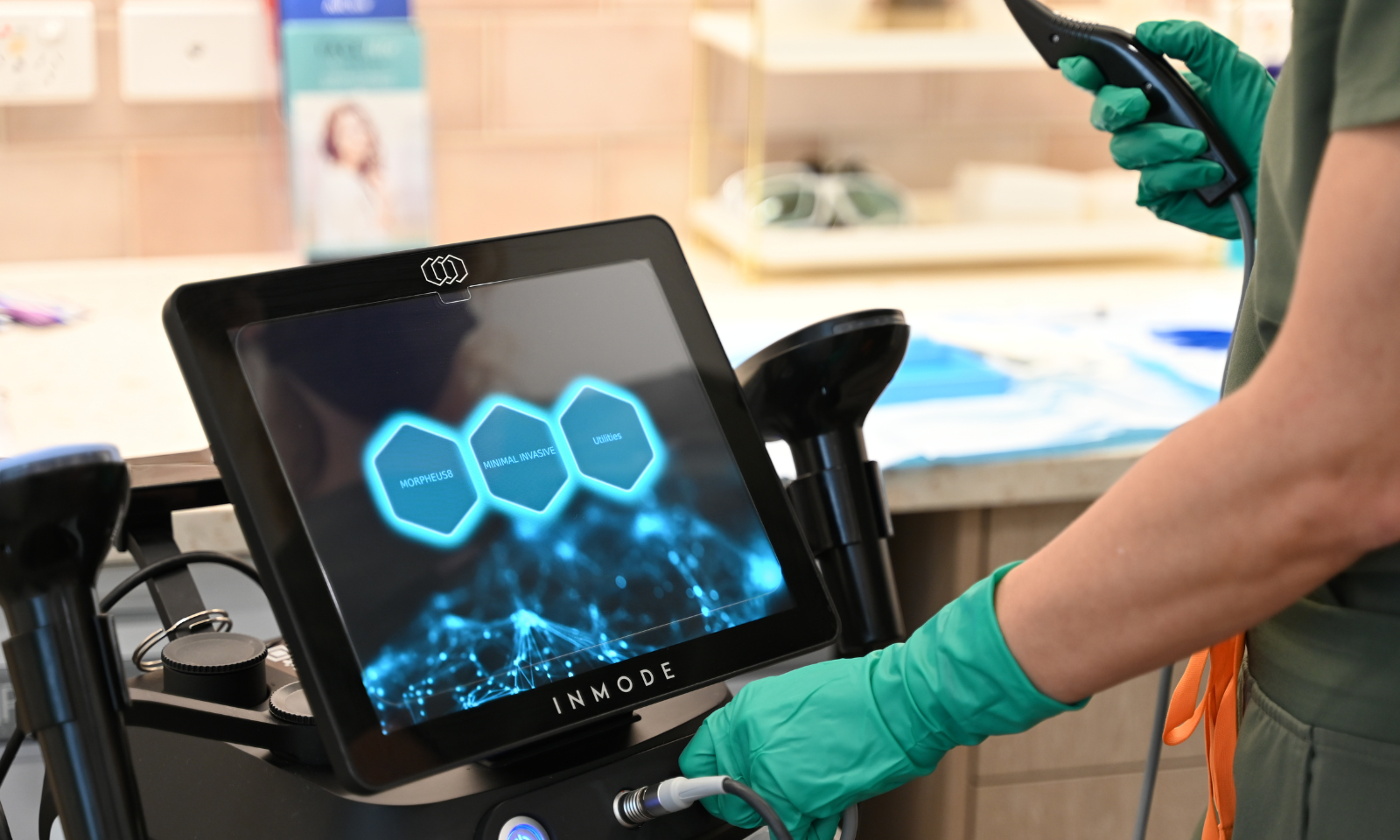
FaceTite is a non-surgical procedure that uses radiofrequency energy beneath the skin. It may be used to target tissue contraction and changes in skin firmness, with outcomes varying between individuals.
These procedures are designed for different types of change. The possible role of each option depends on individual assessment.
The main differences between FaceTite and facelift
1. Level of intervention
A facelift is a surgical procedure. It involves incisions, anaesthesia, and repositioning of deeper facial tissues.
FaceTite is a procedure performed beneath the skin using a specialised device to deliver controlled energy.
This difference affects how each treatment is approached and planned.
2. Recovery and healing
A facelift involves a recovery period where healing, swelling, and a gradual return to normal activities are expected.
FaceTite also involves recovery considerations. Swelling, bruising, tenderness, and numbness may occur, and healing varies between individuals.
Recovery timelines differ between procedures and should be discussed as part of consultation.
3. Type of result
A facelift is designed to address deeper structural changes, including repositioning tissue and reducing excess skin.
FaceTite may support changes in contour and skin firmness. It does not involve the same level of structural change.
The extent of change being considered is one of several factors discussed during assessment.
4. Longevity of results
Results from each procedure differ in how they develop and how long they may be maintained.
A facelift addresses structural positioning, while FaceTite focuses on tissue contraction and contour changes.
Outcomes vary between individuals, and no result is permanent.
5. Suitability
A facelift may be considered when there is more advanced skin laxity or facial descent.
FaceTite may be considered in other situations, depending on individual assessment.
Suitability is not based on one factor alone. Skin quality, anatomy, medical history, and treatment goals all play a role.
6. Risks and assessment
A facelift carries surgical risks such as infection, bleeding, scarring, and nerve injury.
FaceTite also carries risks and is not suitable for everyone.
Both options require assessment by a qualified health practitioner. A consultation is needed to determine what is appropriate for each individual.
Recovery in practical terms
Recovery planning is different for each procedure.
After a facelift, recovery may include:
- time away from work, exercise, and social activities
- follow-up appointments
- wound care
- a gradual return to routine
After FaceTite, recovery may include:
- swelling
- bruising
- tenderness
- numbness
- time away from social activities while the treated area settles
Recovery is not only about time. It also depends on how the body responds after a procedure.
Some people may find swelling or tenderness settles sooner, while others may take longer. This variation should be discussed during consultation so recovery planning is realistic.
Planning ahead may involve considering work, exercise, social activities, and aftercare instructions. Following aftercare advice is part of supporting the healing process.
The most suitable option depends on individual assessment, including clinical factors, recovery, risks, and expected outcomes discussed during consultation.
How results develop over time
The way results appear and settle can differ between procedures.
After a facelift, changes usually become more visible once the initial swelling has reduced. The result continues to settle as healing progresses.
With FaceTite, changes may develop gradually. The extent of change varies between individuals.
Early changes are not always the same as the final outcome. Swelling, bruising, and normal tissue response can affect how the treated area looks and feels in the first stage of recovery.
Healing does not follow the same timeline for everyone. Factors such as age, skin quality, general health, and the type of procedure performed can all influence how results develop.
Follow-up appointments may form part of the process. These appointments allow healing to be reviewed and give people a chance to raise any concerns during recovery.
Ageing continues after either option. Treatment may address existing changes, but it does not prevent future changes from occurring.
For some people, this may involve reviewing results over time and discussing further planning where appropriate.
Who may be suitable for FaceTite
FaceTite may be explored by people who are noticing changes in the lower face.
This might include changes in jawline definition, early jowling, or a shift in facial contour without significant excess skin.
In this stage, some individuals may consider non-surgical approaches as part of a broader discussion. Suitability depends on assessment, anatomy, skin quality, and expectations.
This option may be included in the discussion, depending on the individual.

Disclaimer: All images are shared with the patient’s explicit consent and are intended solely for use on Ascension’s official channels. Redistribution or reuse by any third party is strictly prohibited. Results are individual and may vary. A personalised consultation is required prior to treatment to determine suitability. As with all non-surgical cosmetic procedures, there are inherent risks and potential side effects, which differ according to the treatment, products used, and individual factors.
When a facelift may be more appropriate
A facelift may be considered when changes are more established.
This can include visible excess skin, deeper folds, or changes in the lower face and neck that require structural repositioning.
Surgery is one of several options discussed during consultation. Suitability depends on individual factors, including anatomy, medical history, and treatment goals.
Common misconceptions when comparing options
There are a few common misunderstandings when comparing these options.
One is that FaceTite is a direct alternative to a facelift. While both relate to facial ageing, they are designed for different levels of change.
Another is that one option is always preferable over the other. In practice, the choice depends on the individual and what they are looking to address.
It is also sometimes assumed that some procedures carry no risk. In reality, all medical procedures involve risk and require appropriate assessment.
Another common misunderstanding is that results are immediate and final. In many cases, changes develop and settle over time.
It is also important not to assume that one procedure will achieve the same outcome for every person. Anatomy, skin quality, healing, and expectations can all influence what may be possible.
Clarifying these points can help support realistic expectations.
FaceTite vs facelift cost in Australia
Fees are often part of the discussion, but they should not be viewed on their own.
The final amount can vary depending on the procedure, clinical setting, practitioner involved, anaesthetic requirements, follow-up care, and the individual treatment plan.
A detailed quote can only be provided after consultation and assessment.
Any price range should be read as a general guide only. It does not show whether a procedure is suitable, what result may be possible, or what recovery may involve.
Suitability, risks, recovery, and expected outcomes need to be assessed for each person during consultation.
How treatment planning is approached
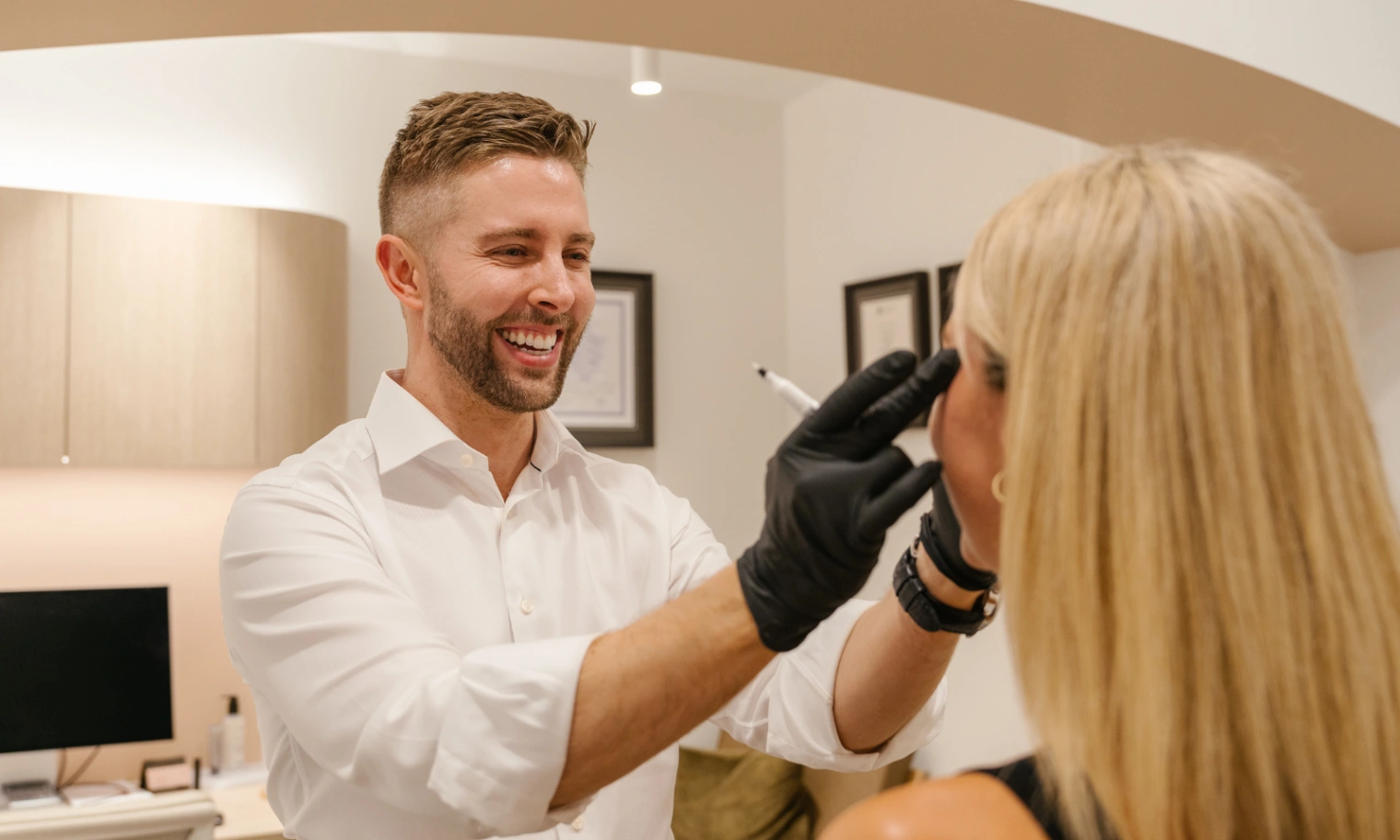
Treatment decisions begin with a medical consultation.
This involves assessing factors such as:
- skin quality and degree of laxity
- facial structure and volume
- relevant medical history
- individual treatment goals
Rather than focusing on a single procedure, the aim is to understand what level of intervention may be appropriate.
Where suitable, different options may be considered as part of a broader plan. This may involve combining or staging treatments over time.
All procedures are performed by qualified health practitioners. Recommendations are based on clinical assessment, with attention to safety, suitability, and realistic expectations.
Making an informed decision
The difference between FaceTite and a facelift often relates to the type and extent of change being considered.
Some people are at an earlier stage, while others may be dealing with more established changes. Each situation requires individual assessment.
The focus is on understanding current presentation and what each option is designed to do.
A consultation allows these options to be discussed in context, based on individual factors.
Disclaimer
This article is for educational purposes only and does not constitute medical advice. All medical procedures carry risks and suitability must be assessed by a qualified health practitioner. Individual results will vary. A consultation is required to determine whether a treatment is appropriate.

