


 Call Us
 Email Us
 Book a time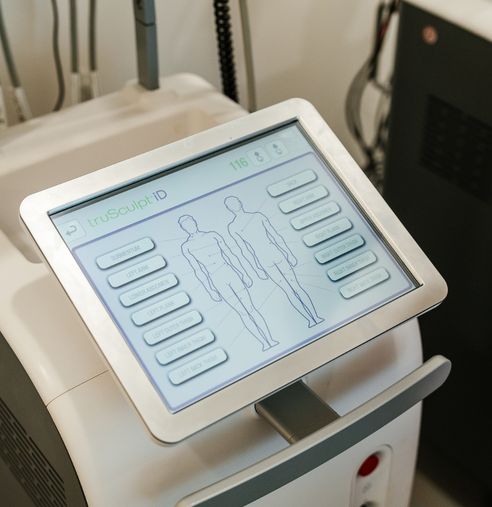


Our experience with body treatments
At Ascension, we undergo thorough training and have experience in performing body contouring treatments. After careful assessment in a private consultation we create plans with steps that are tailored to each patient’s needs.
“Achieving great results with non-surgical body contouring is all about the assessment and correct placement of applicators. Our clinicians performing these treatments at Ascension are highly experienced in this area and have a passion for achieving results for our patients.” – Dr. Scott Allison.

Dr Scott Allison
MBBS, BSC, MSC, MPH, FRACGP
Our Treatments
Trusculpt ID
This non-surgical treatment can be used in as little as one 15 minute session. TruSculpt® iD uses heat to target fat cells around your abdomen and flanks. Often, only one 15 to 30 minute treatment is required, with results that vary between individuals. Depending on your specific goals, you may need more than one treatment. If this is the case, we will tailor a treatment plan for you during your consultation.
Trusculpt Flex
It is used to stimulate muscle, with results that vary between individuals. TruSculpt® Flex uses Multi-Directional Stimulation (MDS) technology to replicate intensified crunch, squat and twisting actions. During the treatment, you’ll feel a gentle contraction sensation, which is your muscle being stimulated by the machine. We can treat up to eight areas in a 45-minute session, with a minimum of four treatments, depending on the individual.
Pricing
Pricing for body contouring varies based on individual needs and number of areas.
Body Contouring Before & After
(Images from supplier) All non-surgical cosmetic procedures carry potential risks and side effects. These may vary depending on the treatment, the products used, and the individual. It’s important to have a comprehensive consultation with a registered health practitioner prior to undergoing any procedure to understand the risks, potential outcomes, and aftercare requirements.
WOMEN


MEN


Suitable candidates for the treatment
Suitable candidates for body contouring are those who want to target stubborn fat and/or build muscle in specific areas of the body. During a consultation, we’ll assess your suitability for the treatment and create a personalised treatment plan.
Candidates will be able to follow their treatment plan and any recommended aftercare instructions. Ideally, candidates should have realistic expectations for the results of their treatment.
Body contouring can be performed on all skin types, and over tattoos. Suitable candidates will be in good general health, at or close to their goal body weight, able to maintain a stable weight and not be pregnant or breastfeeding.
Recovery and aftercare
While there is no required downtime after body contouring, you may still need to follow a list of instructions to support your body after treatment. Aftercare instructions can help your body recover, support your results and reduce the chance of complications.
After body contouring, you should be able to resume your normal daily routine. Patients may experience some tingling in the treated area, and/or muscle tenderness, but this should subside within a few hours to a few days. The area can also feel slightly warm, but this typically subsides within about an hour after treatment.
You may be instructed to avoid alcohol, strenuous exercise, excessive heat exposure, and certain medications. It will be important to stay hydrated after your treatment and apply sunscreen if you will be in the sun. You will receive personalised aftercare instructions from our team during your consultation.
More TreatmentsFor You
Possible side effects
Serious side effects are rare after body contouring. After the treatment, patients can experience a sensation of warmth, tingling, and muscle soreness in treated areas, but these side effects should subside independently. Some patients may also experience mild swelling, redness and bruising in treated areas. In rare cases, there is a risk of skin burns, but this risk is minimised by implementing temperature monitoring throughout the treatment. Assessing your personal suitability for the procedure can help to determine any other risks of the treatment.


