


 Call Us
 Email Us
 Book a time
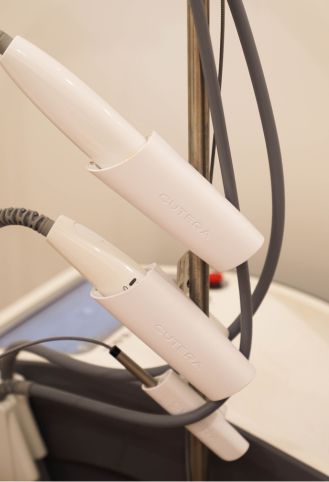
The Vascular Laser uses a combination of longer wavelength (1064nm) and shorter wavelength (532nm) to reach both superficial and deeper layers of the skin. It treats a broad range of vessels, from tiny spider veins to deep blue reticular veins. This treatment can be suitable for patients with dark, light or tanned skin, with results that vary between individuals.
About the treatment
The Vascular Laser delivers pulses of light energy which cause the blood within the vein to coagulate, eventually destroying the vessel which is later reabsorbed by your body. Blood flow will then be redirected to veins deeper below your skin’s surface, where it should be.
The Vascular Laser can treat veins on many parts of the body. The types of veins that can be treated include:
- Small, facial veins
- Capillaries (or telangiectasia)
- Spider veins
- Large blue leg veins
- Cherry angiomas on the body
- Birthmarks or port-wine stains (PWS)
- Poikiloderma (or sun damage) on the neck and décolletage
- Red scars
This treatment is not suitable for varicose veins. Vascular laser is often combined with Laser Genesis and Healite II Therapy to treat diffuse redness and improve overall skin quality.
Who can be treated with a vascular laser?
The Vascular Laser features a unique design and long wavelength that allows treatment of patients of most skin tones. During your consultation, you will be advised if this treatment is right for you.
How does vascular laser compare with Sclerotherapy?
You will be advised on the best course of action, but Vascular Laser is non-invasive and generally well tolerated.
Pricing
At Ascension, our treatment costs can depend on your total treatment time, number of treatment areas and number of sessions you may need.
Vascular Laser Before & After
All non-surgical cosmetic procedures carry potential risks and side effects. These may vary depending on the treatment, the products used, and the individual. It’s important to have a comprehensive consultation with a registered health practitioner prior to undergoing any procedure to understand the risks, potential outcomes, and aftercare requirements.


