Call Us
 Email Us
 Book a time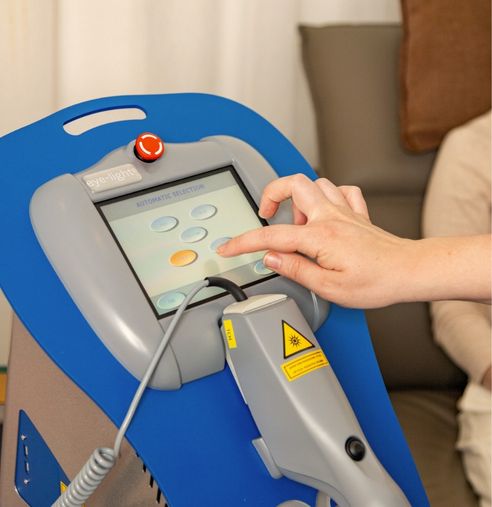


Our comprehensive approach to eye health and concerns
The eye area requires precise, medically guided care, both for comfort and aesthetic harmony. At Ascension, we offer Eye-Light LLLT to support the health of the eyes and the surrounding skin, with results that can be both seen and felt.
This light therapy is used to support common ocular concerns including dry eye disease, meibomian gland dysfunction, blepharitis, and post-operative swelling. It also provides visible skin benefits by improving tone, texture, and resilience in the delicate under-eye region.
Eye-Light LLLT uses calibrated wavelengths of light and may help reduce inflammation, with minimal downtime.
Led by Dr. Scott Allison, our team ensures each treatment is tailored to your needs, whether used as a standalone therapy or as part of recovery following eyelid surgery or aesthetic procedures.

Dr Scott Allison
MBBS, BSC, MSC, MPH, FRACGP, FCPCA
What is Eye-Light LLLT?
Eye-Light LLLT is a form of Low-Level Light Therapy (LLLT) that may help support tear production and calm inflammation.
At Ascension, we use the LM® Eye-Light® system—a medical-grade device offering red (633nm) LED wavelength in a single integrated mask. Designed specifically for the periocular area, it’s certified for both ophthalmic and dermatologic use, and delivers targeted treatments.
Unlike traditional surface-level LED treatments, Eye-Light is designed to reach tissue layers to support comfort in the eyes and surrounding skin.
Concerns we treat
Dry Eye Disease
Dry Eye Disease (DED) is one of the most common ocular conditions, often caused by Meibomian Gland Dysfunction (MGD), a breakdown in the oil-producing glands of the eyelids that leads to excessive tear evaporation. This disruption in tear film balance can result in eye irritation, burning, or a persistent feeling of dryness. Eye-Light LLLT supports tear stability by restoring gland function and encouraging a healthy lipid layer and may help with comfort and ocular surface health.
Ocular Rosacea
Ocular rosacea is an inflammatory condition often linked to chronic dry eye symptoms and visible redness around the eyes. Using the targeted red light wavelengths (633 nm), Eye-Light LLLT may help reduce inflammation and support meibomian gland function. It may help with tear quality and the appearance of redness.
The Skin Around the Eyes
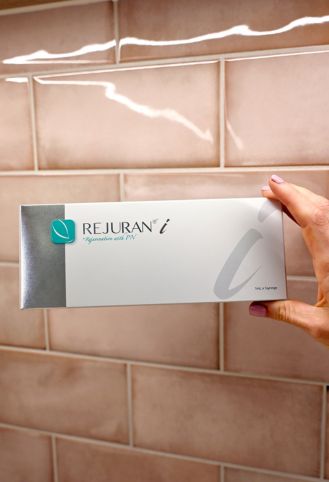
Fine lines, puffiness, and loss of skin elasticity around the eyes are often among the earliest signs of ageing. At Ascension, we offer a comprehensive periocular rejuvenation protocol combining Eye-Light LLLT with Tixel Eye and Rejuran i to support skin quality and firmness in this delicate area. Our approach may help with the appearance of fine lines and the eye area.
About the treatment
How it works
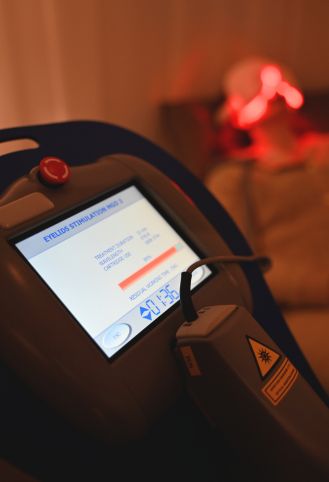
Each Eye-Light session lasts between 15 and 30 minutes and involves wearing a specialised light-emitting mask placed gently over the eyes. With your eyes closed, the mask delivers a bright red 633 nm wavelength of light designed to support natural tissue repair and healthy tear production.
As the treatment draws to a close, the mask will begin to flash, signalling there is one minute remaining. Once the mask is removed, you may notice some temporary light sensitivity, which settles after a few minutes as your eyes adjust.
Benefits of Eye-Light LLLT
Eye-Light LLLT delivers therapeutic and aesthetic benefits, which may offer benefits for a range of periocular concerns.
- Improved tear film stability and ocular surface hydration
- Relief from dry, irritated, or fatigued eyes
- Management of inflammation associated with blepharitis or chalazion
- Post-operative support after blepharoplasty or cataract surgery
- Reduction of puffiness and periocular swelling
- Softening of fine lines and enhancement of skin texture
- Suitable for sensitive skin types and those not suitable for IPL or laser
- Support for ocular rosacea or Demodex-related concerns
Ascension Eye Rejuvenation Package
The Eye Rejuvenation Package provides a combined approach to caring for the delicate skin and tissues around the eyes. This package brings together three different treatments to support the eye area in a single program.
Inclusions
This signature package includes:
- Eye-Light LLLT (6 treatments) uses low-level light therapy to gently deliver specific wavelengths of light to the periorbital area. This process is designed to support circulation, hydration, and overall ocular comfort, while helping to maintain the quality of the skin and tissues around the eyes.
- Tixel Eye (3 treatments) is a non-laser, non-invasive device that delivers controlled heat to the skin’s surface through a specialised tip. This creates a fractional effect at the epidermal level, supporting smoother texture and overall skin quality in the delicate under-eye area.
- Rejuran i (3 treatments) is a polynucleotide-based treatment specifically formulated for use around the eyes. It is designed to support skin structure and balance in this delicate area, working in harmony with device-based treatments to provide a well-rounded program.
Together, these treatments are planned to complement one another, providing a structured program for the eye area. A consultation with a registered practitioner is required to determine suitability and tailor the plan for each individual.
Pricing
At Ascension, our treatment costs can depend on your total treatment time, number of treatment areas and number of sessions you may need.
Suitable candidates for Eye-Light LLLT
Eye-Light LLLT is a non-invasive treatment, but a consultation is essential to assess your symptoms and create a tailored treatment plan.
You may be a suitable candidate if you present with:
- Mild to moderate dry eye symptoms
- Meibomian gland dysfunction or tear film imbalance
- Swelling, puffiness, or inflammation around the eyes
- Early signs of ageing in the under-eye or eyelid area
- History of blepharitis, chalazion, or Demodex
- Sensitivity to heat-based or invasive procedures
- Recovery following blepharoplasty or ocular surgery
At Ascension, we take a comprehensive approach to eye health and rejuvenation, evaluating both visible symptoms and underlying contributors to create a treatment plan tailored to you.