


 Call Us
 Email Us
 Book a time

If you’ve started looking into body contour treatments, you’ve probably noticed how quickly it becomes confusing.
Clinics start to look the same.
The same treatments show up again and again.
The descriptions don’t help much either.
Each one sounds technical. Each one is framed as if it solves the problem.
From the outside, it can feel like you’re choosing between different names for what seems like the same thing.
At the same time, results don’t always line up with what people expect.
They may notice visible changes in certain areas.
Others go through the same process and feel like very little has shifted.
That difference is where most of the uncertainty comes from.
For many, this isn’t the starting point.
It comes after consistent effort.
Regular training. Eating well. Keeping weight stable.
Then progress slows.
Some areas may be more resistant to change despite consistent effort.
This is often the point where people begin to explore body contour treatments.
Not as a replacement for what you’re already doing, but as a way to work on certain spots alongside your healthy habits.
The difficulty is knowing what actually matters when choosing a body contour clinic and treatment.
This guide breaks that down into three parts so you can assess your options clearly and decide what fits your situation.
The 3 things that actually matter
1. The right clinical expertise
Body contour treatments sit within cosmetic medicine.
They involve energy-based medical devices that interact with tissue at depth.
These include radiofrequency, ultrasound, and electrical muscle stimulation.
Each works at a different depth and affects tissue in a different way.
Because of this, appropriate clinical training and oversight are important.
A doctor-led body contour clinic will usually begin with a structured consultation.
This includes reviewing your medical history, assessing the treatment area, and discussing your goals.
From there, suitability is determined.
Not every treatment is appropriate for every person.
Device selection and settings should be based on that assessment. They should not be applied in a standardised way.
Risk is also part of the discussion. Even when treatments are generally well tolerated, temporary effects such as redness, swelling, tenderness, or uneven response may occur.
Less common complications are also part of informed consent.
In non-medical environments, the level of assessment and oversight can vary.
Treatments may be delivered using general protocols rather than individualised planning.
This doesn’t mean outcomes are predictable in any setting.
However, structured clinical oversight supports consistent decision-making and appropriate use of technology.
2. The right treatment for your concern
Different concerns require different approaches.
Treatments are not interchangeable.
Most people considering a body contour clinic are dealing with one or more of the following:
Skin laxity
This includes reduced firmness or changes in skin texture.
It can develop gradually, after weight changes, or following pregnancy.
In these cases, the focus is on supporting skin quality and structural firmness.
The depth of the concern and the thickness of the tissue both influence which approach may be appropriate.
Localised fat
These are areas that may not respond to exercise or diet alone.
This type of concern is usually more about volume than skin quality.
Treatment approaches are designed to interact with fat cells in a controlled way, with gradual change over time.
It’s important to understand that this is not weight loss, but it may support improvement in specific areas when used alongside consistent healthy habits.
Muscle tone
Some areas lack definition despite regular activity.
This can relate to muscle activation, strength, or baseline conditioning.
In these cases, the focus is on supporting muscle engagement and improving tone.
These approaches are typically used alongside exercise, not as a replacement.
Each of these concerns requires a different strategy.
Choosing based on what’s popular or widely advertised can lead to a mismatch.
When the treatment doesn’t match the underlying issue, results may be limited or inconsistent.
3. A personalised treatment plan
Body contouring is rarely a single-step process.
A personalised plan considers your anatomy, baseline tissue quality, and treatment goals. It also accounts for how your body may respond over time.
In some cases, combining treatments may be appropriate.
For example, treating both skin laxity and localised fat may support a more balanced outcome than focusing on one concern alone.
Treatments are usually spaced out. This allows time to assess how your body responds before the next step.
Follow-up is part of the process. Adjustments may be made depending on progress and tolerance.
Outcomes vary between individuals. Factors such as genetics, lifestyle, and treatment consistency all play a role.
Why most people get it wrong
There are a few common patterns that lead to dissatisfaction.
- Choosing based on price
Lower cost can limit the level of consultation, planning, and follow-up involved. This can affect how well the treatment is matched to the concern.
- Choosing based on trends or marketing
Treatments that appear frequently online can seem like the default option. This doesn’t mean they are appropriate for every situation.
- Skipping proper consultation
Without a detailed assessment, treatment selection becomes less precise.
- Expecting surgical-level results
Non-surgical body contour treatments are designed to address specific areas. They do not replicate procedures that remove or reposition tissue.
When expectations and treatment capability do not align, outcomes may feel underwhelming even when treatment has been performed appropriately.
When you step back, most of these issues come down to one thing.
A lack of clarity around what these treatments are, and what they’re designed to do.
Without that baseline, it’s easy to choose the wrong approach or expect outcomes that don’t match the treatment.
So it helps to start with a clear understanding of how body contour treatments actually work.
What are body contour treatments?
Body contour treatments are non-surgical medical procedures designed to improve specific areas of the body.
They may be used to address:
- Localised fat deposits
- Mild to moderate skin laxity
- Muscle tone and definition
- Overall contour and symmetry
These treatments use different forms of energy to interact with tissue at varying depths.
Common categories include:
- Radiofrequency-based treatments for skin tightening and fat reduction
- Ultrasound-based treatments for deeper structural support
- Electromagnetic stimulation for muscle contraction
These treatments do not replace weight loss or surgery.
They are generally considered for individuals who are close to their baseline weight and are looking to address specific areas that may not respond to lifestyle measures alone.
There has been growing demand for less invasive body contouring treatments as alternatives to surgical procedures.
However, clinical evidence remains limited, and direct comparisons between technologies are still evolving.
Once you understand how these categories work, it becomes easier to see where specific treatments may fit.
Below is a general overview of commonly used technologies and where they may be considered.
BodyTite
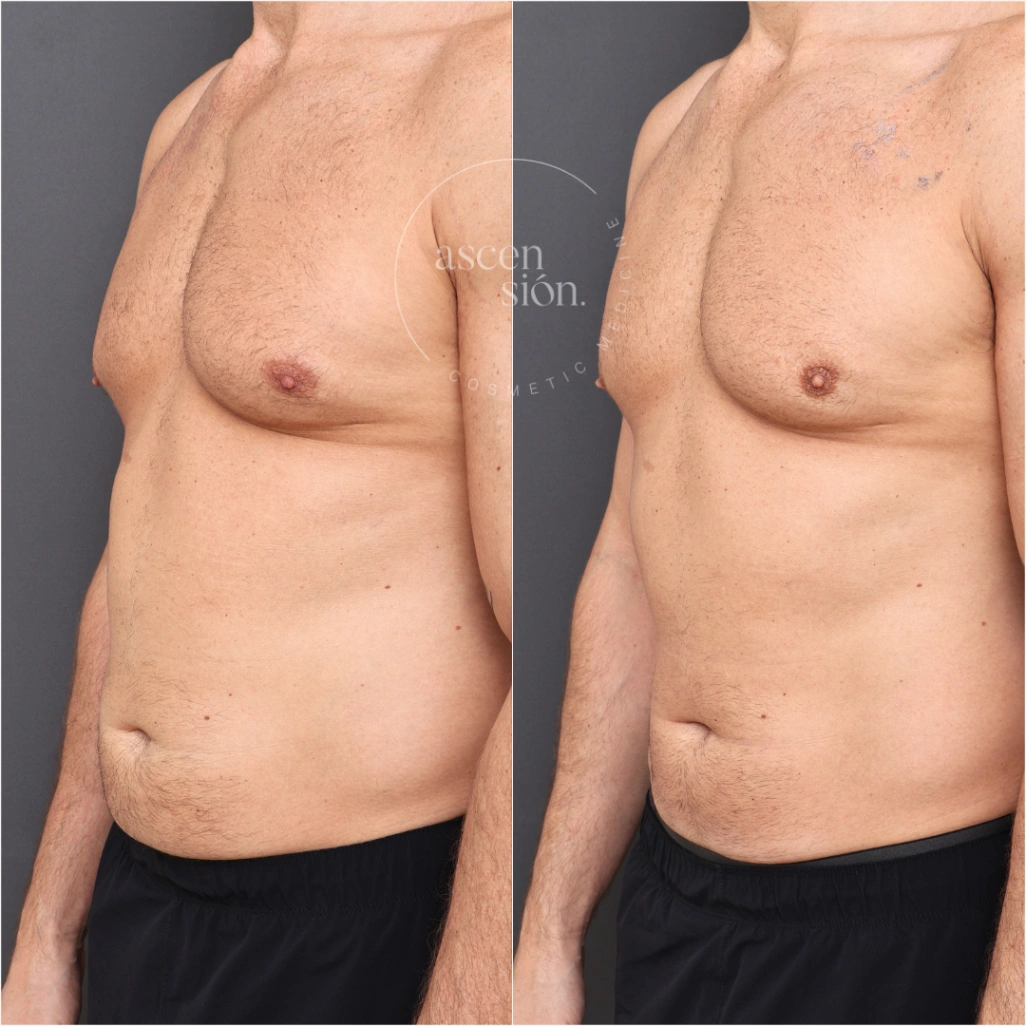
Disclaimer: All images are shared with the patient’s explicit consent and are intended solely for use on Ascension’s official channels. Redistribution or reuse by any third party is strictly prohibited. Results are individual and may vary. A personalised consultation is required before treatment to determine suitability. As with all non-surgical cosmetic procedures, there are inherent risks and potential side effects, which differ according to the treatment, products used, and individual factors.
Minimally invasive treatment for localised fat and skin laxity.
BodyTite uses radiofrequency-assisted lipolysis (RFAL) delivered beneath the skin through small incisions.
The energy is designed to support fat coagulation and tissue contraction while also stimulating collagen remodelling.
May be considered for:
- Localised fat with associated skin laxity
- Abdomen and flanks
- Upper arms
- Thighs
- Post-pregnancy body changes
- Areas where non-surgical treatments may be insufficient
Considerations: BodyTite is a minimally invasive procedure and involves small incisions. Suitability depends on anatomical assessment, skin quality, medical history, and individual goals.
It is not a weight loss procedure and is not appropriate for all patients.
A medical consultation is required to determine whether this or a non-surgical alternative may be suitable.
Morpheus8 for body
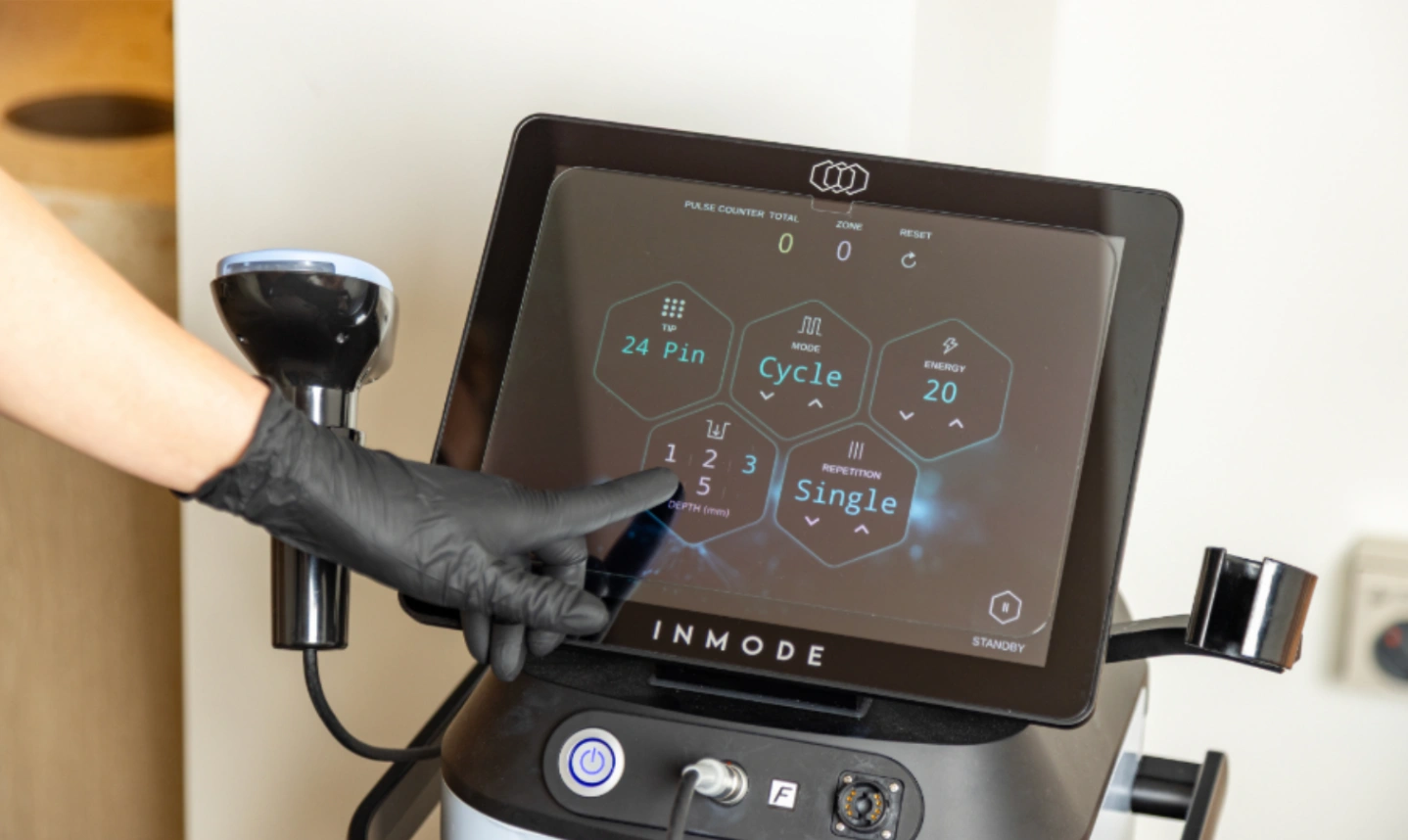
Commonly considered for skin tightening and texture.
Morpheus8 combines microneedling with radiofrequency energy delivered into deeper tissue lyers to support collagen remodelling.
May be considered for:
- Skin laxity on the abdomen, thighs, or arms
- Textural irregularities
- Post-pregnancy skin changes
- Mild contour changes
Considerations: This treatment does not remove significant fat volume. It may support improvements in skin firmness in suitable candidates.
Temporary redness, swelling, or irritation may occur. Suitability depends on skin thickness, fat layer depth, and medical history.
Ultraformer MPT for body
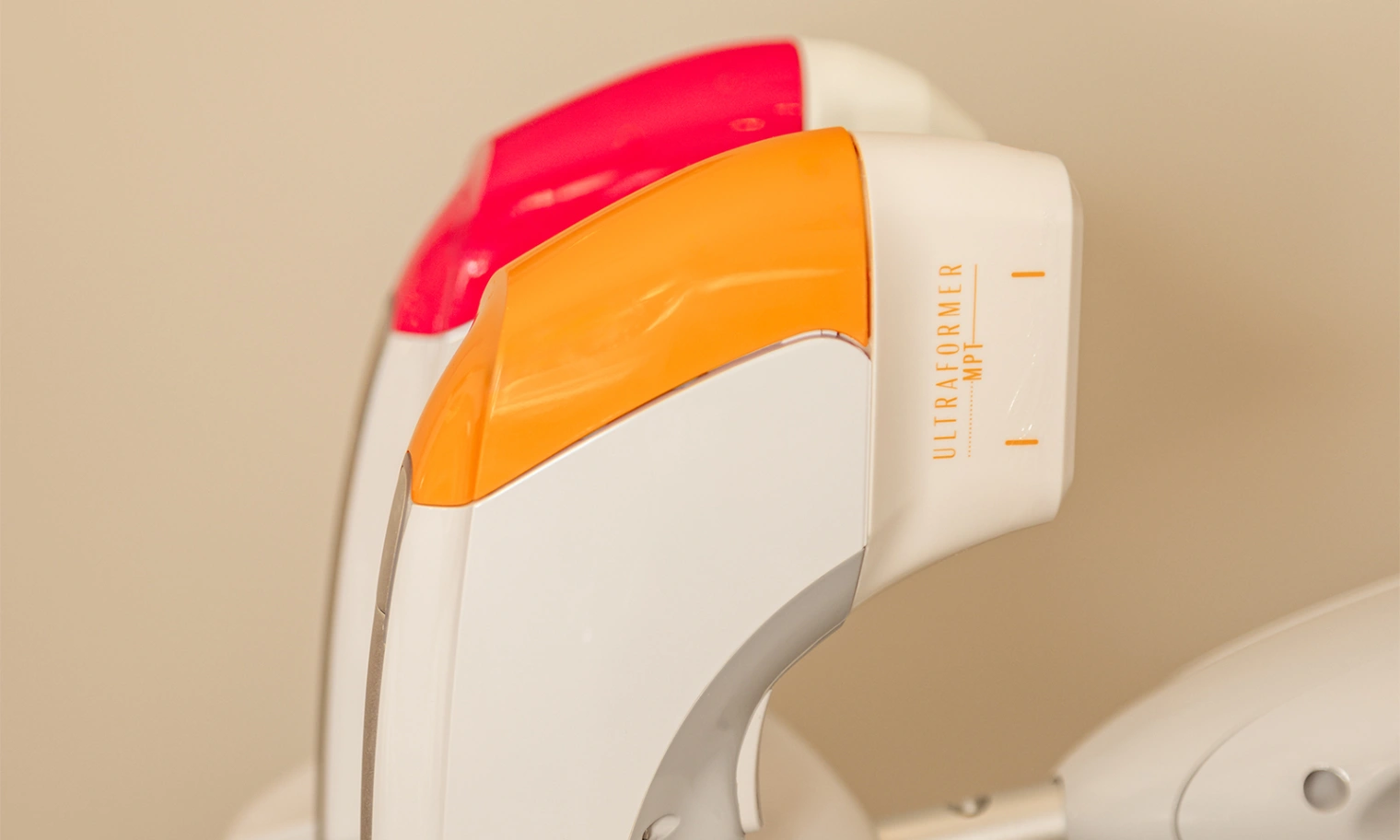
Commonly considered for lifting and deeper structural support.
Ultraformer MPT uses focused ultrasound energy designed to target deeper tissue layers, including fascial structures.
May be considered for:
- Mild to moderate skin laxity
- Body lifting and tightening
- Structural support in areas with reduced elasticity
Considerations: Ultrasound energy can reach deeper layers compared to some radiofrequency treatments. Selection depends on tissue quality and treatment depth.
Mild discomfort or tenderness may occur. Outcomes vary between individuals.
TruSculpt
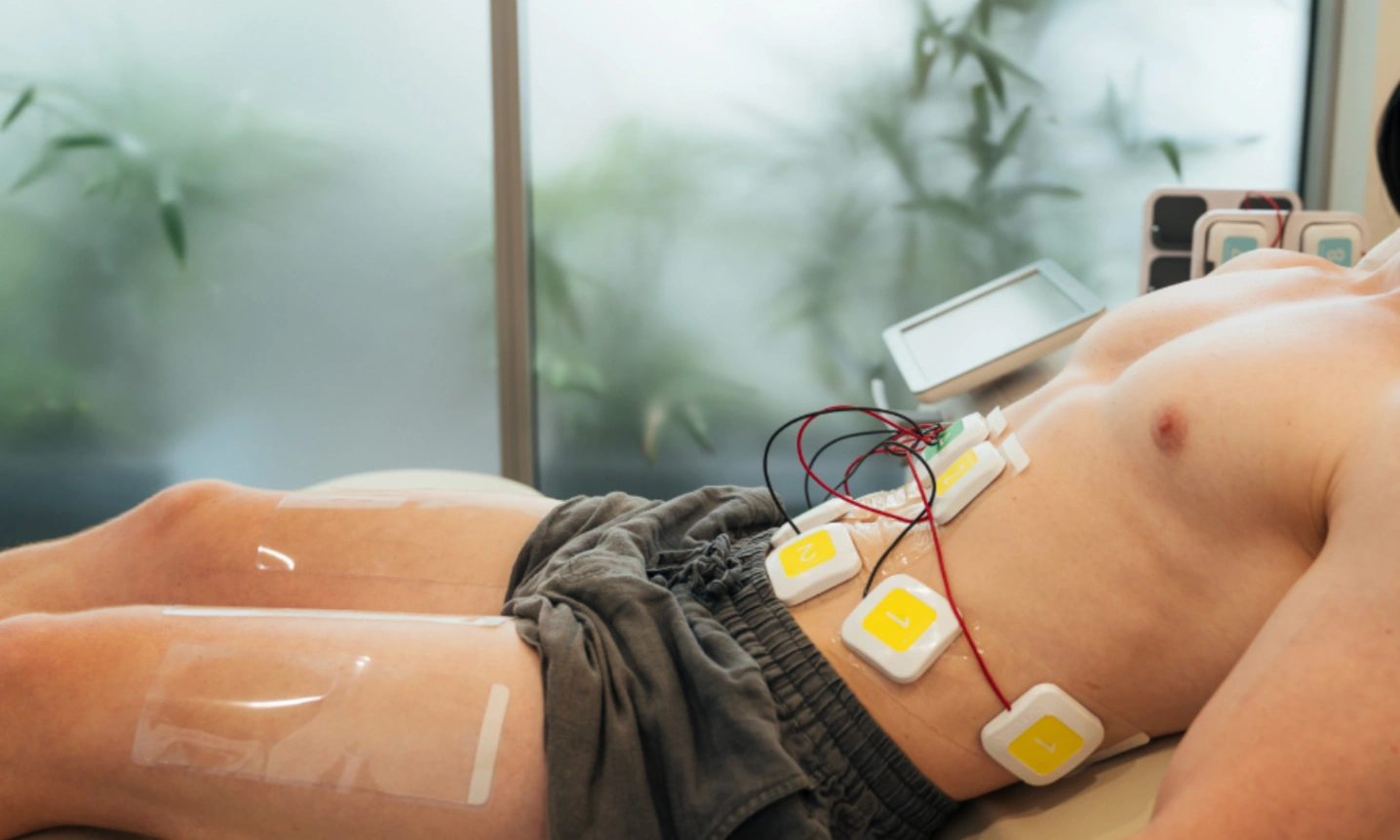
Commonly considered for reduction of localised fat.
TruSculpt uses radiofrequency energy designed to heat fat cells, which may support gradual breakdown and clearance through natural metabolic processes.
May be considered for:
- Localised fat deposits
- Abdomen
- Flanks
- Thighs
Considerations: This is not a weight loss treatment. It is intended to address specific areas of body contour.
Temporary redness, warmth, or tenderness may occur. Suitability depends on individual assessment.
TruFlex
Commonly considered for muscle tone and definition.
TruFlex uses electrical stimulation to produce repeated muscle contractions.
May be considered for:
- Abdominal muscle strengthening
- Post-pregnancy core support
- Muscle tone and definition
Considerations: This treatment complements regular exercise but does not replace it.
Muscle fatigue or soreness may occur. Suitability depends on individual goals and baseline conditioning.
How it all comes together
There are three parts to consider.
Clinic. Treatment. Plan.
Each part plays a role.
The clinic influences how assessment and decisions are made.
The treatment determines which tissue is being targeted.
The plan determines how treatment is structured over time.
When these are aligned, the approach tends to be more structured. When one is missing, outcomes can be less predictable.
Even with appropriate planning, individual response varies. Review and adjustment are part of the process.
Choosing a body contour clinic in Brisbane
When comparing a body contour clinic in Brisbane, it helps to focus on how care is delivered.
Consider:
- Is the consultation thorough and custom to your concerns
- Are risks and limitations explained clearly
- Are you given time to consider your options without pressure
- Are treatment plans individualised
- Are expected outcomes discussed in realistic terms
Access to these treatments is increasing across Brisbane.
The way they are applied remains the more important factor.
Why patients choose Ascension Clinic
Patients often look for a body contour clinic that provides a structured and medically grounded approach.
At Ascension Cosmetic Medicine, care is doctor-led.
Assessment is completed before treatment decisions are made.
Treatment plans are based on clinical findings rather than standard packages.
Consultations include discussion of potential benefits, limitations, and risks. This supports informed decision-making without pressure.
The focus is on selecting treatments that are appropriate for the individual, based on clinical assessment.
Taking the next step carefully
If you are considering treatment, the first step is a consultation. It is typically used to assess suitability and discuss available options.
You may choose to ask:
- Which treatments may be appropriate for your concern
- What outcomes may be achievable in your case
- How many sessions may be recommended
- What risks and side effects should be considered
Taking time to understand the process can help you decide what aligns with your expectations.
Disclaimer
This information is provided for educational purposes only and does not replace a personalised medical consultation. Suitability for body contour treatments must be assessed by a qualified health practitioner. Individual results vary. All medical procedures carry risks and potential complications.

