


 Call Us
 Email Us
 Book a time
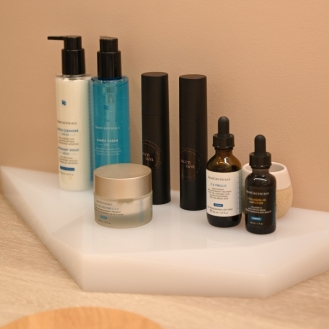
Breakouts that keep coming back can make skincare feel like guesswork. Many people try a new product first. They may also change their routine or follow online advice. Sometimes the skin becomes more irritated, and the same breakouts keep returning.
Different types of acne may need different approaches. A plan for clogged pores may not be the same as a plan for inflamed breakouts, deeper lesions, post-acne marks, or sensitive skin.
This guide explains 5 acne treatment options that may be discussed during consultation. These options aren’t ranked from strongest to weakest, and they won’t suit every person. Suitability depends on the person’s skin and health history. It may also depend on current products, past treatment response, possible risks, and goals.
This article is general education only. It can’t tell you which option is right for your skin. A qualified health professional should explain the option first. They should also discuss risks, recovery, and alternatives.
Before the options: why assessment still matters
Acne can involve blocked pores, oil production, inflammation, bacteria, hormones, skin products, and other health or lifestyle factors. That’s why changing one product doesn’t always help.
Assessment helps narrow down what may be contributing to the breakouts and what should be avoided. Some treatments can be too irritating for certain skin types. Others may not be suitable for the type of acne being treated.
A consultation may review:
- Acne type and severity
- Skin sensitivity
- Current skincare
- Previous treatments
- Medical history
- Current medicines
- Pregnancy or breastfeeding status, where relevant
- Risk of scarring or pigmentation
- Treatment goals and expectations
This may help reduce trial and error and inform a plan more specific to the person.
How to think about the 5 options
The right option depends on what the plan is trying to address.
These options may be discussed for different reasons. Active breakouts may need one approach. Redness, texture, irritation, or post-acne changes may point to another. A simple home routine may come first. Some people may need medical review before in-clinic care is discussed.
It can help to name the main concern first. This may be clogged pores, inflamed breakouts, or painful lesions. It may also be sensitive skin, post-acne marks, pigmentation risk, or an irritating routine.
This helps avoid treating all acne the same way.
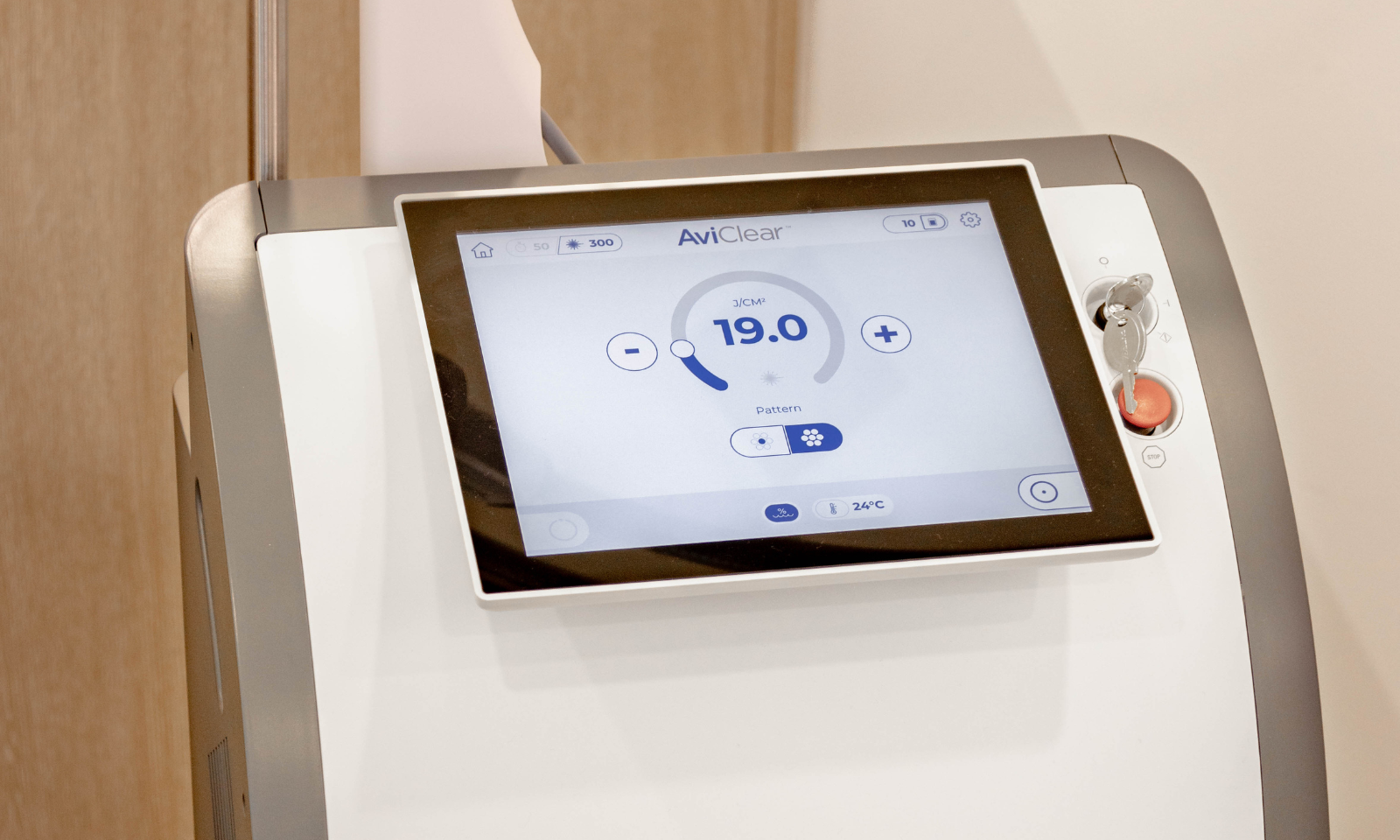
Option 1: AviClear
AviClear is a laser-based option that may be discussed for some people with acne.
It may be considered as part of acne management after assessment. This option may be more relevant when oil production is thought to be part of the acne pattern.
It still needs to be considered in the context of the whole skin picture. This includes sensitivity, inflammation, and pigmentation risk. It also includes previous treatments, current skincare, and whether other care is needed.
AviClear isn’t a general skincare step. Topical care may come first, or a different plan may be needed. In some cases, medical review may be needed before device-based care is discussed.
Before AviClear is considered, it’s worth asking why it’s being discussed. It also helps to ask what type of acne it may suit, what side effects may occur, and what other options are available.
Option 2: Laser Genesis
Laser Genesis is a laser option that may be considered for some people with redness or post-acne skin changes, depending on assessment.
This doesn’t mean it’s suitable for everyone with acne marks or redness. The skin should be assessed first if it’s inflamed, sensitive, or recently treated. It should also be checked if the person has a history of pigmentation changes.
Laser Genesis may be part of a broader plan, but it shouldn’t replace assessment of active acne. When breakouts are still occurring, the plan may need to review current products and barrier function. It may also need to check whether redness is linked to acne, irritation, or another concern.
Option 3: Chemical peels
Chemical peels may be used to help with congestion, texture, and surface build-up in some people with acne-prone skin.
The type and strength of peel matter. A peel that’s too strong, used too often, or not matched to the person’s skin may increase irritation or pigmentation risk.
Peels may be discussed for people with clogged pores, uneven texture, or mild congestion. They’re not suitable for every type of acne. Deeper, painful, or widespread acne may need a different plan or medical review.
Current skincare also matters. Some active ingredients may need to be paused before or after a peel. This depends on the person’s skin and the peel being considered.
A peel plan may consider several factors. These include skin type, acne severity, and pigmentation risk. They also include recent treatments, sun exposure, aftercare needs, and past irritation.
Option 4: Topical options
Topical products may be part of acne care.
Some are available without a prescription. Others require medical assessment with a doctor. The right option depends on the person. A clinician may review acne type, skin barrier, sensitivity, and medical history. They may also ask about the current routine and pregnancy or breastfeeding status.
Topical care may be discussed for clogged pores, inflamed breakouts, oiliness, texture, or barrier support. It may also be used with other treatments when suitable.
Topical products can irritate the skin when they’re started too quickly. Irritation can also happen when too many active ingredients are used at once. Dryness, peeling, stinging, redness, or worsening sensitivity can happen.
A clinician may suggest a simpler routine. They may also change the frequency, add barrier support, or pause some products before starting something new.
Option 5: Healite II LED
Healite II LED may be discussed as part of a broader acne care plan.
Different wavelengths may be used depending on the treatment goal and the person’s skin. It may be considered for some people with acne-prone or inflamed skin. It’s not a stand-alone option for everyone.
LED treatment may be used alongside other care when suitable. It should still be assessed carefully. Acne type, sensitivity, current products, past treatments, and recent skin procedures all matter.
It may be discussed when the plan includes skin support and review over time. It shouldn’t replace diagnosis, medical review where needed, or a suitable home routine.
How options may be combined
Acne care is often planned in stages rather than adding everything at once.
Some people may need to calm irritation or support the skin barrier first. Others may start with topical care. Medical review may be needed before cosmetic treatment is discussed.
The order matters because irritated skin can be harder to assess. When too many products or treatments are started at once, it can be difficult to know what helped, what caused irritation, or what should be changed.
A plan should be reviewed if the skin becomes irritated, acne changes, side effects occur, or treatment isn’t helping.
What preparation and aftercare may involve
Preparation depends on the option being considered.
Preparation may be simple. The routine may stay the same. Irritating products may be avoided. Sun protection may also be advised. Some active ingredients may need to be paused before a peel, laser, or light-based treatment.
Treatment may need to wait if the skin is irritated, inflamed, sunburnt, or recently treated.
Aftercare depends on the treatment and how the skin responds. It may include gentle cleansing, moisturiser, and sun protection. Strong active ingredients may need to be paused for a period of time.
Before treatment starts, ask which products should be paused. It can also help to ask when active skincare can restart, what to avoid after treatment, and when to contact the clinic.
When medical review may be needed
Medical review may be needed for painful, widespread, or deep acne. It may also be needed if acne gets worse quickly, leaves scars, or doesn’t improve with over-the-counter care.
Referral or medical review doesn’t mean something has gone wrong. It means the plan needs the right level of care.
Nodular, cystic, or very inflamed acne may need a medical assessment. This also applies if scarring is starting or past treatments caused strong reactions. Medical options should be discussed in a private consultation.
Possible risks and side effects
Acne treatments may not be suitable for everyone.
Depending on the treatment and the person, possible effects may include:
- Temporary redness
- Dryness
- Peeling
- Tenderness
- Swelling
- Skin irritation
- Sensitivity to sunlight
- Discomfort during or after treatment
- Acne flare-ups
- Pigmentation changes
Laser, light-based, and peel treatments may carry additional risks. These can include burns, blistering, infection, or scarring. They can also include prolonged redness or unexpected changes in the treated area.
Topical products can also cause side effects. These may include dryness, stinging, peeling, irritation, or worsening sensitivity. This can happen when a product isn’t suitable or is used too often.
This isn’t a complete list. A qualified health professional should explain the risks and aftercare. They should also discuss likely recovery and alternatives. They should explain what may happen if no treatment is started.
What to ask before starting
Before starting care, it may help to ask:
- What type of acne do I have?
- What may be contributing to it?
- Is this option suitable for my skin type?
- What are the risks and side effects?
- How will we review whether this option is helping?
- What should I avoid during treatment?
- What should I do if my skin becomes irritated?
- Will I need follow-up or maintenance?
- What are my other options?
- What happens if this option doesn’t help?
These questions can help make the decision more informed.

How acne care may be planned at Ascension
At Ascension Cosmetic Medicine, consultation may help review acne type, skin sensitivity, current products, previous treatments, medical history, and whether any option is suitable.
The plan may include home care, in-clinic treatments, medical review, or staged care. Depending on the presentation, care may be provided by a Dermal Clinician or reviewed by a Registered Medical Practitioner. Patients with more complex or persistent acne presentations may be referred to Associate Professor Lisa Byrom (MED0001663174), Registered Medical Practitioner, Specialist Dermatologist (specialist registration in Dermatology). This depends on the person’s skin, history, and clinical assessment.
Any recommendation should be made after assessment. Risks, limits, aftercare, and alternatives should be explained before treatment starts.
Disclaimer
This article provides general information only. It does not replace medical advice.
Acne treatments require individual clinical assessment before proceeding. Suitability is determined by the treating practitioner — which may be a Dermal Clinician or a Registered Medical Practitioner, depending on the presentation and treatment being considered. Treatments may carry risks, side effects, limits, and recovery considerations. These should be discussed before treatment.
Individual responses vary. Some patients may need ongoing care, a revised plan, or further medical review.

