


 Call Us
 Email Us
 Book a time
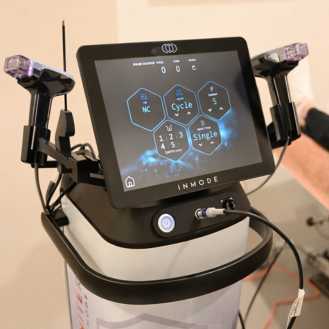
FaceTite is a minimally invasive cosmetic procedure that uses radiofrequency (RF) energy delivered through small incisions to address skin laxity and contour facial features.
To learn more about this treatment and whether it may suit your needs, arrange a consultation at Ascension Clinic.
How does FaceTite work?
FaceTite uses radiofrequency energy delivered via a small probe inserted through minor incisions in the skin. The RF energy targets the deeper layers of the skin and underlying fat tissue. Fat cells are addressed and removed via a small cannula, while the RF energy is designed to stimulate collagen production and support skin tightening in the treated area.
FaceTite may be considered for individuals seeking to address skin laxity, the appearance of wrinkles, or facial contouring without undergoing more extensive surgery. As with all invasive cosmetic procedures, there are risks and potential side effects — including but not limited to bruising, swelling, infection, scarring, and changes in skin sensation — that will be discussed in full during consultation.
What can I expect from FaceTite treatment?
The exact details of a FaceTite treatment varies between individuals, based on factors such as skin type, age, lifestyle, and the natural ageing process. Individual results vary and cannot be guaranteed.
Stage 1 — What to expect at your consultation
Before any decision is made, a thorough consultation with Dr Allison at Ascension Cosmetic Medicine is required. FaceTite is an invasive cosmetic procedure and a considered approach to the decision is important.
During your consultation, you can expect:
- A discussion of your skin concerns, anatomy, and health history to assess individual suitability
- A detailed explanation of what the FaceTite procedure involves, including the incisions, RF energy delivery, and fat removal process
- A clear discussion of the potential risks and side effects — including bruising, swelling, infection, scarring, nerve sensitivity changes, and the possibility of uneven results
- Information about what recovery involves and what changes to normal activities may be required
- A discussion of alternative approaches that may be more appropriate for your circumstances
- A full cost breakdown, including consultation fees, procedure fees, and any follow-up costs
It is reasonable to take time to consider the information provided during your consultation before making a decision. A second opinion from another appropriately registered practitioner is also entirely reasonable.
Stage 2 — What to expect on the day of the procedure
FaceTite is performed under local anaesthesia with sedation, or under general anaesthesia depending on the extent of treatment and individual circumstances. Your clinician will discuss the anaesthesia approach most appropriate for you during consultation.
On the day of the procedure:
- The treatment area will be cleansed and anaesthetic will be administered
- Small incisions are made in the skin through which the RF probe and a small cannula are inserted
- RF energy is delivered to the deep tissue layers, creating a controlled heating effect designed to stimulate collagen production and address skin laxity
- Fat cells in the treatment area are addressed and removed via the cannula
- The procedure duration varies depending on the areas being treated and individual factors — your clinician will provide an estimate during consultation
FaceTite involves incisions and the delivery of RF energy to deep tissue. It is not a non-surgical or pain-free procedure. Discomfort during and after the procedure varies between individuals and will be discussed with you prior to treatment.
Stage 3 — What to expect immediately after the procedure
Following FaceTite, it is normal to experience a range of post-procedural effects. These are a typical part of the recovery process and do not indicate that anything has gone wrong.
Common immediate post-procedural effects include:
- Swelling in the treated area — this is expected and typically peaks within the first 48 to 72 hours
- Bruising — this is common and will gradually resolve over the following days to weeks
- Redness and warmth in the treated area
- Tenderness or altered sensation around the incision sites and treated tissue
- Mild to moderate discomfort — pain management will be discussed and provided prior to discharge
You will receive written aftercare instructions from Dr Allison before leaving the clinic. It is important to follow your personalised aftercare instructions carefully during this period.
Stage 4 — What to expect in the first one to two weeks
The first one to two weeks following FaceTite are the most significant for recovery. Individual recovery timelines vary — what is described below represents a general guide rather than a guaranteed timeline.
During this period:
- Swelling and bruising will begin to reduce gradually, though some residual swelling may persist for several weeks
- The incision sites will require appropriate wound care as directed by your clinician
- Strenuous physical activity is generally not recommended during this period — your clinician will advise when it is appropriate to gradually resume normal activities
- Makeup may need to be avoided around the treated area for a period — your clinician will advise on specific restrictions
- Sun protection is important during recovery — a broad-spectrum SPF 30 or higher should be applied daily to any exposed treated areas once the skin has healed sufficiently
- Follow-up appointments will be scheduled to monitor healing and address any concerns
If you experience unusual pain, significant swelling, signs of infection, or other unexpected symptoms during recovery, contact Ascension Cosmetic Medicine promptly or follow the escalation guidance provided in your written aftercare instructions.
Your consultation
To arrange a consultation at Ascension Cosmetic Medicine and discuss whether a FaceTite treatment plan may be suitable, please contact the clinic.

