


 Call Us
 Email Us
 Book a time
Strength, muscle tone, energy, and body composition can change over time. Age, menopause, activity, sleep, stress, nutrition, and health conditions can all play a role.
These changes are common. They’re not a sign that something is wrong with your body.
For some people, this is also the stage where weight management starts to feel different. The same habits may not work the same way. Weight may change. Strength may feel harder to maintain. Body composition may also change, even when daily routines stay much the same.
Medical weight loss, in this article, means clinically supervised weight management. It should involve assessment, follow-up, and care from qualified health professionals. It doesn’t mean one set treatment, and it’s not suitable for everyone.
When a supervised plan is being considered, muscle matters. Weight alone doesn’t show strength, function, lean mass, or long-term health. A safer plan looks at the whole person. It considers nutrition, movement, recovery, health history, and realistic goals.
Before the 5 ways: why muscle matters
Muscle isn’t only about how the body looks.
It helps with:
- Standing, walking, lifting, and daily movement
- Balance
- Support for bones and joints
- Glucose use and insulin sensitivity
- Energy use at rest
- Long-term physical function
During weight loss, the body can lose both fat mass and lean mass. Lean mass includes muscle.
That’s why a well-planned approach should include ways to support muscle. For many people, this means resistance training, enough protein, steady progress, and sleep.
Recovery matters too. Regular review with a health professional can also help.
1. Prioritise resistance training
Strength-based exercise helps signal the body to keep and build muscle.
This may include:
- Weight training
- Resistance bands
- Bodyweight exercises
- Supervised exercise programs
- Modified strength work for pain, injury, or limited mobility
Australian guidelines recommend muscle-strengthening activities two days a week. This can be a useful benchmark. The right plan still depends on fitness, pain, mobility, injury, health history, and experience.
Some people may start with two to three sessions each week. Others may need a slower or more supported approach.
The most useful plan is one the person can do regularly. A program that’s too hard, too painful, or too time-consuming may be difficult to maintain.
2. Include enough protein
Protein helps maintain and repair muscle.
A practical plan may include:
- A protein source at each meal
- Protein spaced across the day
- Adjustments based on body size, activity, appetite, and health needs
Some people need individual advice. This includes people with kidney disease, digestive concerns, reduced appetite, or dietary restrictions. It also applies when other health conditions may affect nutrition needs.
Protein needs can also change during a weight management plan. Appetite, activity, and routine may shift. Regular review can help check whether intake still supports the person’s needs.
3. Avoid overly rapid weight loss
Faster weight loss may sound appealing, but it can increase the chance of losing lean mass.
A steadier approach leaves more room for food quality, protein, strength training, and recovery. It also gives the care team time to review progress and adjust the plan if needed.
Weight change shouldn’t be judged only by the number on the scale. Strength and energy can matter too. Physical function, body measurements, and how the plan is tolerated can also be reviewed.
If weight changes quickly, a health professional may review food intake, symptoms, strength, and hydration. They may also check whether the plan is still suitable.
4. Support sleep and recovery
Sleep affects appetite, energy, training, and recovery.
Poor sleep may:
- Increase hunger
- Reduce energy for activity
- Affect muscle repair
- Make consistency harder
The Sleep Health Foundation notes that short sleep may make weight management harder. This is one reason sleep should be part of the plan, not treated as an afterthought.
Recovery matters as much as effort. A plan that’s too hard to maintain may not support long-term health.
Rest days or lighter sessions may be needed. Training may also need to change when a person is tired, sore, unwell, or recovering from injury.
5. Keep monitoring progress
In medical weight loss, regular review can help check whether the plan still supports strength, nutrition, recovery, and overall health.
A health professional may review:
- Weight change
- Waist or body measurements, where appropriate
- Strength and physical function
- Nutrition intake
- Side effects or concerns
- Mood, sleep, and energy
- Any changes in health status
This keeps the plan focused on health, not only weight.
Monitoring also helps identify when the plan needs to change. A person may need more protein, a different exercise plan, or a slower pace. Extra support with sleep, pain, appetite, or daily routines may also help.
How clinical support can help beyond the scale
Weight change isn’t always simple.
For many people, weight gain or difficulty losing weight isn’t only about food or exercise. Hormones can play a part. So can insulin resistance, ageing, genetics, pain, sleep, stress, and some health conditions.
From around midlife, the body may change in several ways. Muscle mass, bone density, metabolism, strength, balance, and fat distribution may all be affected.
This means weight management plans need care. A plan that focuses only on kilograms may miss changes in strength, function, and lean mass.
BMI has limits. It doesn’t show where body fat is carried. It also doesn’t show the mix of fat, muscle, and other lean tissue in each person..
This is why a clinical plan may also consider health, strength, function, and lean mass.
Additional options that may be discussed
Nutrition, movement, sleep, and monitoring form the base of weight management.
Some people may also discuss non-invasive treatment options as part of a broader plan. These options aren’t needed for everyone. They don’t replace resistance training, nutrition, recovery, or medical care.
They should only be considered after individual assessment.
The aim is to check whether a treatment is suitable. The consultation should also cover the limits, risks, and possible changes that may be realistic.
Option: truFlex and muscle support
truFlex is a non-invasive treatment used to stimulate selected muscle groups.
It may be discussed when a person wants to know if extra muscle support is suitable as part of broader care. It may be more relevant for people with reduced exercise tolerance, injury, or pain. It may also be discussed when strength work is hard to do consistently.
It’s not a replacement for exercise.
Resistance training, protein intake, and recovery remain important. truFlex may be considered as an added option where it’s suitable for the person.
Possible benefits, limits, risks, and treatment frequency should be discussed during consultation. Individual responses vary.
Option: truSculpt for selected treatment areas
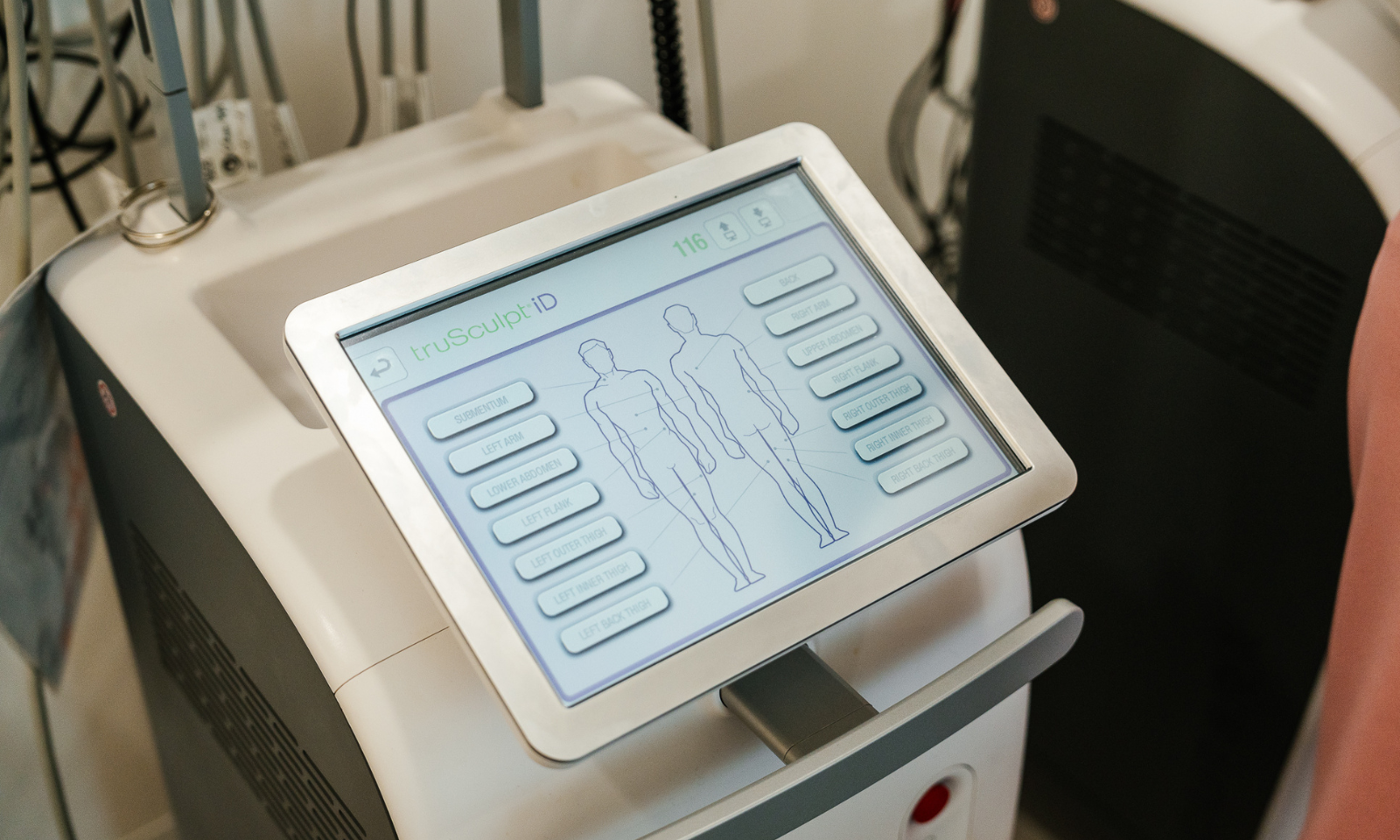
truSculpt is a non-invasive treatment that uses radiofrequency energy for selected treatment areas.
It’s not a weight loss treatment.
It doesn’t replace nutrition, movement, or clinical care. It may be discussed after a person has made progress with a broader plan. The aim is to check whether treatment of selected areas may be suitable.
Not every person is a candidate. Suitability depends on the person. Health history, treatment goals, skin and tissue quality, and the treatment area all matter.
Expected changes, risks, recovery, and maintenance should be discussed in a consultation before treatment. Individual responses vary.
Option: truBody and body composition planning
truBody refers to a combined approach that may include both truFlex and truSculpt.
One treatment is focused on muscle stimulation. The other is focused on selected treatment areas.
This approach may be considered for some people as part of a broader plan. It shouldn’t be presented as a shortcut or a required part of weight management.
A careful consultation should cover:
- Whether treatment is suitable
- What changes may be realistic
- What risks or side effects may occur
- How treatment fits with nutrition and movement
- Whether maintenance may be needed
- What happens if no device-based treatment is done
This helps keep the decision balanced.
Option: WonderFace and facial changes during weight loss
Weight change can affect the face for some people.
This may include changes in facial fullness, skin support, or facial contours. These changes are common and don’t need to be treated unless a person wants to discuss options.
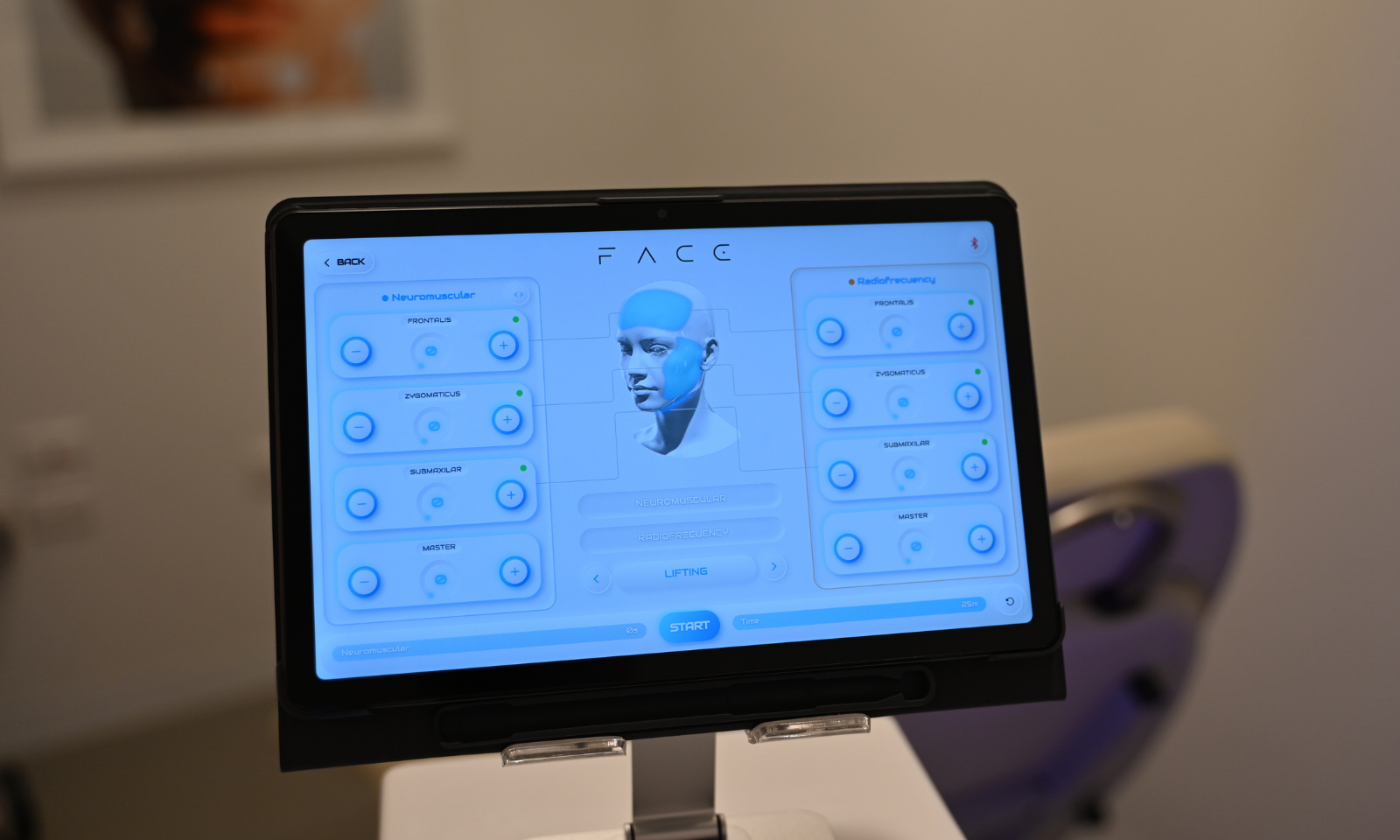
WonderFace is a non-invasive treatment for selected facial areas.
It may be discussed during or after weight change. The aim is to check whether support for facial muscle activity or skin quality is suitable.
Suitability depends on individual assessment. Risks, limits, expected changes, and alternatives should be explained before treatment.
Individual responses vary.
Possible risks and side effects
Non-invasive body and facial treatments may not be suitable for everyone.
Possible effects may include redness, swelling, tenderness, warmth, or bruising. Some people may have muscle soreness, altered sensation, or skin irritation. Discomfort during or after treatment can also occur.
Less common risks can also occur. These may include burns, changes in skin texture, unexpected changes in the treated area, or worsening pain.
Some people may not be suitable for certain treatments. This can include people who are pregnant, have implanted electronic devices, or have some metal implants.
Treatment may need extra care if there’s an active skin condition in the treatment area. Extra care may also be needed after recent surgery, or when a health condition raises the risk of side effects.
This isn’t a complete list. A qualified health professional should explain the risks, likely recovery, and treatment alternatives. They should also explain what may happen if no treatment is done.
Questions to ask before any treatment
Before starting any treatment, it may help to ask:
- Is this suitable for my health history?
- What are the possible risks or side effects?
- What changes are realistic for me?
- How long might changes take to appear?
- How long might results last?
- Will I need maintenance?
- What are my alternatives?
- What happens if I do nothing?
- What costs are involved?
- What aftercare is needed?
These questions can help make the decision more informed.
A balanced approach to weight management after 40
Weight management after 40 shouldn’t focus only on the scale.
Muscle, strength, nutrition, bone health, sleep, and daily function all matter.
For many people, the most useful plan is steady and practical. It supports movement. It supports muscle where possible. It includes enough food and protein. It reviews health risks. It leaves room for individual needs.
Non-invasive treatments such as truFlex, truSculpt, and WonderFace may be discussed for some people. They’re not necessary for everyone. They should be considered as part of a broader plan. They shouldn’t replace healthy habits or clinical care.
Disclaimer
This article provides general information only. It doesn’t replace medical advice.
Weight management options and device-based treatments require consultation first. A qualified health professional should assess whether they’re suitable. Treatments may carry risks, side effects, limits, and recovery considerations. These should be discussed before treatment.
Individual responses vary.

