


 Call Us
 Email Us
 Book a time
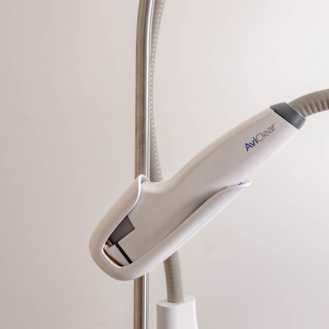
This page addresses ten commonly asked questions about AviClear laser treatment for acne — how it works, what results may be expected, how many sessions are typically involved, and what factors may influence suitability. A consultation at Ascension Cosmetic Medicine is recommended as a first step before any treatment.
#1 – What is AviClear?
AviClear is a laser treatment designed to address acne by targeting the sebaceous glands to reduce oil production. Unlike topical treatments that address acne at the skin’s surface, AviClear delivers laser energy beneath the skin to the sebaceous glands directly.
#2 – How long does AviClear last?
The duration of results from AviClear varies between individuals. For some patients, results may be noticeable for up to twelve months or longer following a course of treatment. Individual duration depends on factors including skin type, acne severity, and lifestyle habits such as diet and skincare routine.

#3 – How many AviClear laser treatments will I need?
A course of at least three AviClear sessions is generally recommended. Sessions are typically 30 to 60 minutes in duration and spaced approximately three to four weeks apart, allowing the skin time to respond between treatments.
The number of sessions required may vary depending on individual skin conditions and the severity of acne. Your clinician will discuss the recommended number of sessions for your circumstances during consultation.
#4 – How does the treatment work?
AviClear uses laser energy delivered beneath the skin’s surface to target the sebaceous glands. The laser energy is absorbed by the tissue in the oil glands, creating a controlled heating effect that is designed to regulate oil production. Reducing oil production may help address concerns about acne breakouts.
The laser is designed to target the sebaceous glands specifically, with the aim of limiting exposure to surrounding skin tissue.
#5 – How soon will I see results?
Because AviClear works by targeting the sebaceous glands to regulate oil production, results develop gradually rather than immediately.
Individual results vary, so it’s best to discuss your expectations with a qualified practitioner during your consultation.

Following treatment, consistent use of gentle skincare and avoiding direct sun exposure may support outcomes. Your clinician will provide personalised post-treatment care instructions.
#6 – Do treatments hurt?
Individual experiences of discomfort during AviClear treatment vary. Some patients describe a warm or mild stinging sensation during the procedure, while others report minimal sensation.
A topical numbing cream may be applied prior to treatment to help manage discomfort. A cool compress or ice pack following treatment may also help ease any residual discomfort.
Please discuss any concerns about discomfort with your clinician at Ascension Cosmetic Medicine prior to treatment.
#7 – How much does AviClear cost?
At Ascension Cosmetic Medicine, AviClear is priced from $1,000 per session or $2,700 for a pack of three sessions. Pricing may vary depending on the number of sessions required for individual circumstances. A full cost breakdown will be provided during your consultation.
#8 – What are the risks of AviClear?
As with all higher-risk cosmetic procedures involving laser treatment, there are potential risks and side effects — including but not limited to redness, swelling, temporary skin sensitivity, and changes in pigmentation.
#9 – Am I the right candidate for this laser treatment for acne?
Figuring out if AviClear is right for you involves several factors.
Here are a few criteria to consider when determining your eligibility for AviClear laser treatments:
- Age — AviClear is typically recommended to people aged 18 and older. However, younger candidates may be considered if advised by a dermatologist along with parental consent.
- Skin concerns — AviClear is best suited for people with mild, moderate, or severe acne. Specifically, if you commonly suffer from inflammatory pimples, papules, and pustules, AviClear could be an option.
- Skin types — AviClear may be considered for a range of skin types and tones; individual assessment is required.
- Medical conditions — if you have a history of keloid scars, active skin infections, or severe skin conditions, discuss these with your health care practitioner before getting AviClear laser treatments. AviClear is also not currently recommended for pregnant or breastfeeding women.
The best way to figure out if AviClear is a good fit for you is to book a consultation with a qualified Dermal Clinician. They will chat with you about your concerns, skin type, medical history, and more.
From there, they can advise you on whether or not AviClear laser treatments may help you achieve your skin goals.
#10 – I don’t think AviClear is right for me. What are my other options?
While AviClear is an effective skincare solution for many people, no treatment is one-size-fits-all.
So, if you suspect AviClear isn’t quite right for you, here are some common alternatives to consider:
- Oral medications — certain treatments could include antibiotics, birth control pills, or isotretinoin (Accutane). These treatments may have side effects.
- Topical treatments — creams, gels, and lotions containing ingredients like benzoyl peroxide, salicylic acid, or retinoids. These are often the first line of defence against acne.
- Skin peels — these treatments use acids to break down the oil in the skin and reduce acne. They might require downtime and can cause skin irritation.
- Skin needling — this uses controlled micro-injury to help stimulate effects in the skin. It may be appropriate for targeting acne scarring when combined with other treatments.
- Blue light therapy — this non-invasive treatment uses specific light wavelengths to address acne-causing bacteria, generally requiring multiple sessions.
Consultation at Ascension Clinic
Your experienced clinician at Ascension Clinic will discuss which of option, if any, may be appropriate for your individual circumstances.
To arrange a consultation at Ascension Cosmetic Medicine and discuss whether AviClear may be appropriate for your circumstances, please contact the clinic.

