


 Call Us
 Email Us
 Book a time
People usually start looking into FaceTite when they notice changes in the lower face or jawline and want to understand the options. The lower face changes over time for reasons including ageing, genetics, and shifts in soft tissue, and these changes vary considerably between individuals.
This guide will run through what FaceTite is, what it can and can’t do, what recovery actually involves, and how cost and suitability get worked out. It’s information, not advice. Whether it’s the right thing for you is a question only a qualified health practitioner can answer, and only after they’ve assessed you properly.

What is FaceTite
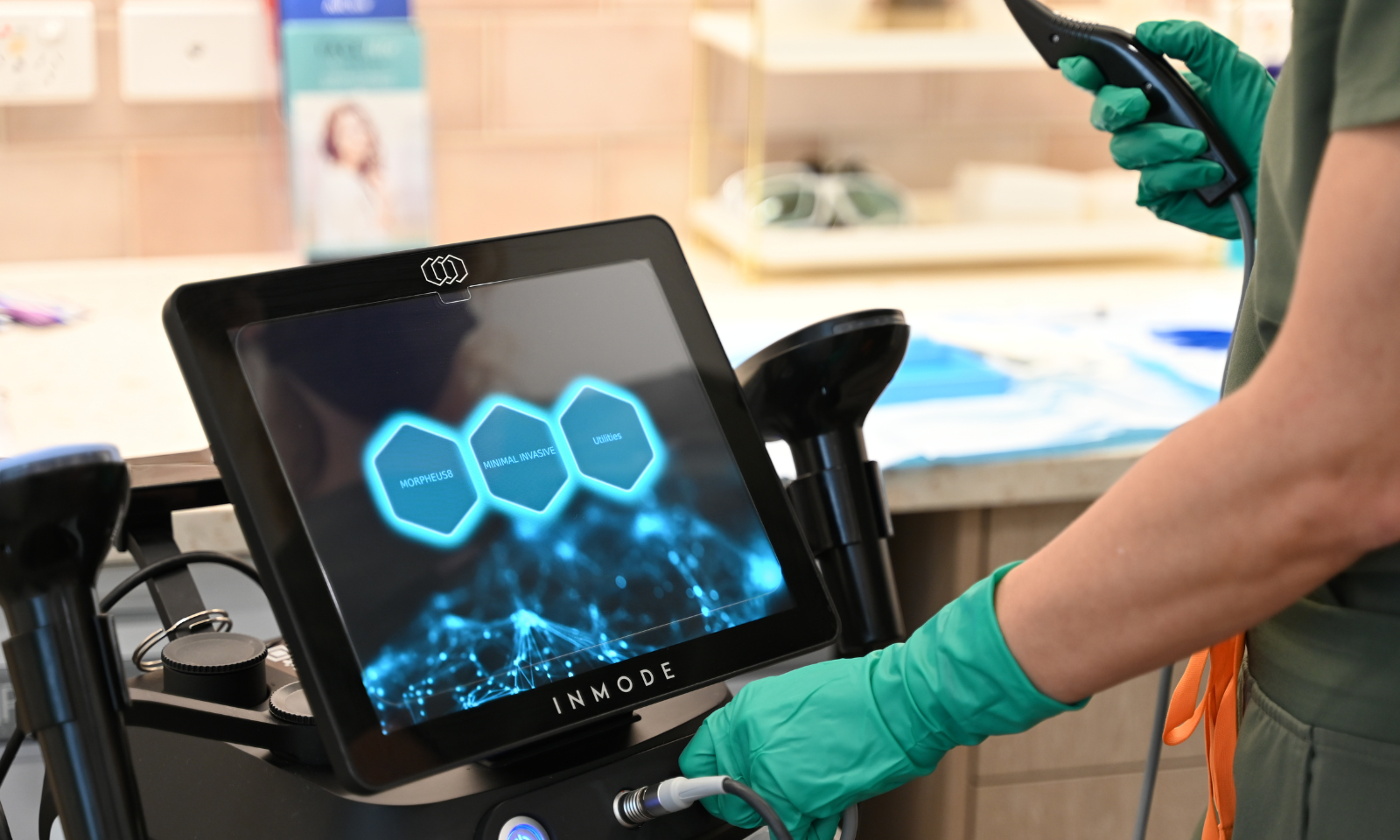
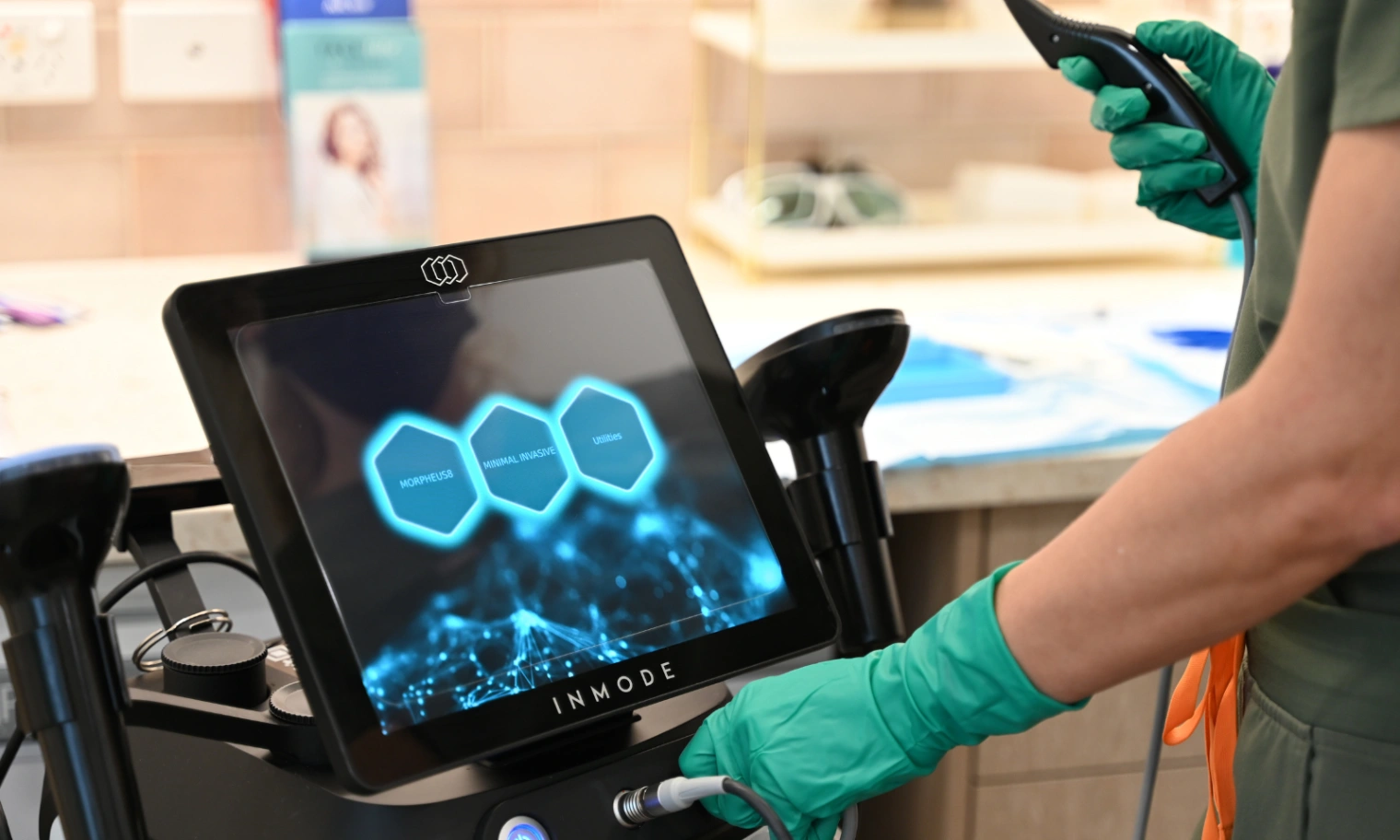
FaceTite works under the skin rather than on top of it. A specialised device delivers radiofrequency energy to the tissue beneath the surface. The area is usually numbed with local anaesthetic, and the device is introduced through a small entry point in the skin.
It’s mainly used on the lower face and jawline. It acts on the tissue underneath rather than repositioning deeper structures or removing skin, so the kind of change it produces is limited, which is worth knowing before you build too firm a picture of what it’ll do.
What’s FaceTite meant to do, and what it isn’t
The idea is that the radiofrequency energy encourages the tissue to contract and the skin to firm up a little through the treated area. For some people that shows up as a change in contour or tightness. For others it’s subtler. Results vary, sometimes considerably, and there’s no honest way to promise a particular outcome.
What it doesn’t do is reposition the deeper structures of the face or take away excess skin, and nothing here is permanent. How much you’d realistically see comes down to your skin, your anatomy, and what you’re actually hoping for, which is the whole reason an assessment comes first.
Recovery, realistically
Recovery is hard to generalise about because it’s so individual. Swelling, bruising, tenderness, some numbness through the area: all normal, all part of it. Most people want a few quiet days away from anything social while things settle.
How long that lasts isn’t fixed. Some people settle quickly. Others take their time, and that’s not a sign anything’s gone wrong. It’s less about counting days on a calendar and more about how your own body decides to heal.
Plan for it a little. Think about work, exercise, whatever you’ve got on socially, then actually follow the aftercare you’re given, because that genuinely affects how things settle. A good consultation should tell you what your recovery is likely to look like rather than leaving you to find out the hard way.
How FaceTite results show up
People are sometimes caught out by how gradual it is. What you see in the first week or two isn’t the finished result. Early on there’s swelling, bruising, the tissue doing its normal thing, and all of that muddies the picture. The real outcome takes a while to surface.
Everyone heals on their own clock. Age, skin quality, general health, plain individual variation: it all feeds in. Follow-ups are often part of it, both to keep an eye on how you’re healing and to give you somewhere to raise anything that’s playing on your mind.
The longer view matters too. Ageing doesn’t stop because you’ve had a procedure. Treatment might address what’s there now, but it won’t freeze things in place, so some people end up reviewing where they’re at later on and deciding whether they want to do anything further.
Who does FaceTite tend to suit
FaceTite is often considered by people noticing earlier changes in the lower face — shifts in jawline contour or soft tissue, before there is significant skin laxity.
But suitability is never down to one thing. Skin quality, anatomy, medical history, your goals: they all weigh in, and it genuinely isn’t right for everyone. The only way to actually know is to sit down with a qualified health practitioner who can look at the full picture rather than one slice of it.
The risks, and why the assessment isn’t a formality
Every medical procedure carries risk, and FaceTite is no exception. Those risks deserve to be laid out and understood beforehand, not waved through. That’s what the consultation is for: a chance for the practitioner to look at your particular situation, be straight with you about what could go wrong, and decide whether it’s a sensible option at all. It’s all done by qualified health practitioners, with safety and realistic expectations front and centre. Full information about the risks and recovery relevant to your situation is provided at consultation.

What does FaceTite cost
Cost comes up early, which is fair enough. On its own, though, it doesn’t tell you much. The final figure shifts depending on the clinical setting, who’s performing the procedure, anaesthetic requirements, follow-up care, and the particulars of your plan, so a real quote only makes sense once you’ve been assessed.
Treat any ballpark figure with caution, too. Price says nothing about whether the procedure suits you, what result might be possible, or what recovery involves. Those are the parts that count, and they’re worked out person by person.
How planning actually works
A sensible plan starts with a conversation, not a procedure that’s already been picked out for you. The practitioner looks at your skin and how lax it is, your facial structure and volume, your medical history, and what you’re hoping to get out of it. The point isn’t to sell you FaceTite specifically; it’s to work out what level of intervention, if any, makes sense for you. Sometimes that means weighing up a few options together, or spacing treatments out over time.
A few things people get wrong
A handful of assumptions are worth clearing up. The first is that the result is instant and final, when in reality it develops and settles over time. The second is that something like this is risk-free, which it isn’t; nothing in this space is. The third is that one procedure does the same job for everyone, when anatomy, skin, healing and expectations all pull in different directions. Being realistic about these early saves a lot of disappointment later.
Deciding Suitability for FaceTite
It really comes back to your own face and a clear sense of what FaceTite is built to do. The consultation is where that gets sorted out, where you can talk it through against your actual situation rather than a general one, so whatever you decide, you’re deciding it with the full story in front of you.
Disclaimer: This article is for educational purposes only and does not constitute medical advice. All medical procedures carry risks and suitability must be assessed by a qualified health practitioner. Individual results will vary. A consultation is required to determine whether a treatment is appropriate.

