


 Call Us
 Email Us
 Book a time

Your first cosmetic treatment consultation can feel unfamiliar. You may have a specific concern, or you may have noticed changes in your skin but feel unsure what options may be available.
This guide covers 7 things that may happen during a consultation:
- Your concerns are discussed
- Your medical history is reviewed
- Your skin or treatment area is assessed
- VISIA skin analysis may be used where appropriate
- Suitability, risks, and alternatives are explained
- A treatment plan may be discussed
- Follow-up may be recommended
A consultation shouldn’t feel like a push into treatment. It should help you understand what may be suitable, what may not be suitable, what risks may apply, and what other options you have.
This information is general only. It doesn’t replace medical advice.

1. Your concerns may be discussed first
The consultation usually starts with what brought you in.
This may include skin texture, redness, or pigmentation. It may also be about acne, facial changes, body concerns, or a treatment you’ve heard about.
A clinician may ask what you’ve noticed, how long it has been present, whether it has changed, and what you’ve tried. They may also ask what has irritated your skin and whether you want treatment or information only.
This keeps the consultation focused on your needs, rather than starting with a treatment menu.
2. Your medical history should be reviewed
Medical history matters before cosmetic treatment is discussed.
A clinician may ask about your medicines and allergies. They may also ask about past procedures, skin conditions, and reactions to treatment. Pregnancy or breastfeeding may also be discussed, where relevant.
This step can feel detailed, but it matters. Some treatments may not suit certain health conditions, medicines, skin types, or life stages.
A treatment that suits one person may not suit another with a similar concern.
3. Your skin or treatment area may be assessed
The area, concern, and history all matter before any option is considered.
The clinician may check skin type, sensitivity, and redness. They may also check pigmentation, texture, acne, visible vessels, and irritation.
The assessment may focus on different factors. This may include volume change, contour, symmetry, movement, skin quality, or tissue support.
The next step can vary. Some concerns may be watched and reviewed over time. Some may need skincare support first. Some may need a medical review.
This helps make sure treatment isn’t planned from appearance alone. It also helps check whether treatment is needed at all.

4. VISIA skin analysis may be used where appropriate
VISIA is a skin imaging system that may be used in some consultations.
It can take skin images and show features such as pigmentation, redness, texture, pores, or sun-related changes. This may help document the skin before a plan is discussed.
If images are taken, consent should be discussed first. The OAIC says health service providers usually need consent to collect, use, or share patient images.
You can ask why an image is being taken. You can also ask how it will be stored and whether it will only be used for your clinical record.
VISIA can help with assessment and planning when it’s suitable. It isn’t a diagnosis on its own.
What’s shown on imaging can vary. Lighting, recent products, timing, and skin changes can all affect what appears in the image.
The results should be reviewed with your skin history. Symptoms, current products, and the clinical assessment should be considered too.
5. Suitability, risks, and alternatives should be explained
A consultation should help you understand the full picture, not just what a treatment may do.
A qualified health professional should explain whether an option may suit you before treatment is planned. They should also explain who may not be suitable, what risks may apply, and what recovery could involve.
Treatment limits, aftercare, other options, and costs should be discussed. You should also be told what may happen if no treatment is done.
Guidance on informed consent says people should understand possible benefits, risks, alternatives, and costs.
You should have enough information to decide what to do next. You may choose to proceed, wait, or consider another option.
No treatment should be presented as risk-free. Even non-surgical treatments can carry side effects, limits, and recovery needs.

6. A treatment plan may be discussed
A treatment plan may be discussed after assessment.
This doesn’t always mean treatment happens on the same day. In some cases, it may be better to start with skin support, delay treatment, seek medical review, or take time to decide.
A plan may include home care, skin preparation, in-clinic options, or review appointments. It may also include a referral or no treatment, depending on your preference.
Some concerns may need more than one appointment. Some people may need a slower approach. This can depend on sensitivity, downtime, health history, or pigmentation risk.
For laser-based treatments, skin type and pigmentation history matter. DermNet notes that laser treatment in skin of colour needs careful planning. This means realistic expectations matter. Possible complications and side effects should also be discussed.
Previous reactions should be reviewed before treatment is planned. Pigmentation risk and skin sensitivity should also be considered.
The plan should be realistic and able to be reviewed over time.
7. Follow-up may be recommended
Follow-up can be part of treatment planning.
It may be used to check how the skin or treatment area responds, whether side effects have settled, and whether the plan still makes sense.
A review may look at skin response, healing, product tolerance, side effects, and whether goals have changed. It may also help decide whether treatment should pause, continue, or be adjusted.
A follow-up is also a chance to ask questions after you’ve had time to think.
How to prepare for your consultation
A little preparation can make the consultation more useful.
It may help to bring or prepare:
- A list of current skincare products
- A list of medicines and supplements
- Details of past treatments
- Photos of flare-ups, if the concern changes
- Notes about past reactions
- Questions about risks and recovery
- Information about pregnancy or breastfeeding, where relevant
Try not to start several new products right before the appointment. The exception is when a product is causing irritation and needs to be stopped. Sudden changes can make it harder to understand what your skin is doing.
This gives the clinician more context before any treatment is discussed.
When treatment may not happen on the day
Not every consultation leads to treatment straight away.
A clinician may suggest waiting if more information is needed. They may also wait if your skin is irritated or the area needs time to settle. Treatment may also need to wait after a recent procedure or illness. A medicine change or sun exposure may also affect timing.
The first step might be skincare support, medical review, or time to think. You may also decide not to start treatment. That’s still a valid outcome.
It can help to take time before cosmetic procedures. This matters if the risks, benefits, recovery, or other options haven’t been clearly explained.
You should have time to ask questions and decide without pressure. Be cautious if treatment is made to sound urgent without a medical reason.
Treatment claims shouldn’t be false or misleading. They should be realistic, specific, and explained. Results shouldn’t be promised, and risks shouldn’t be skipped.
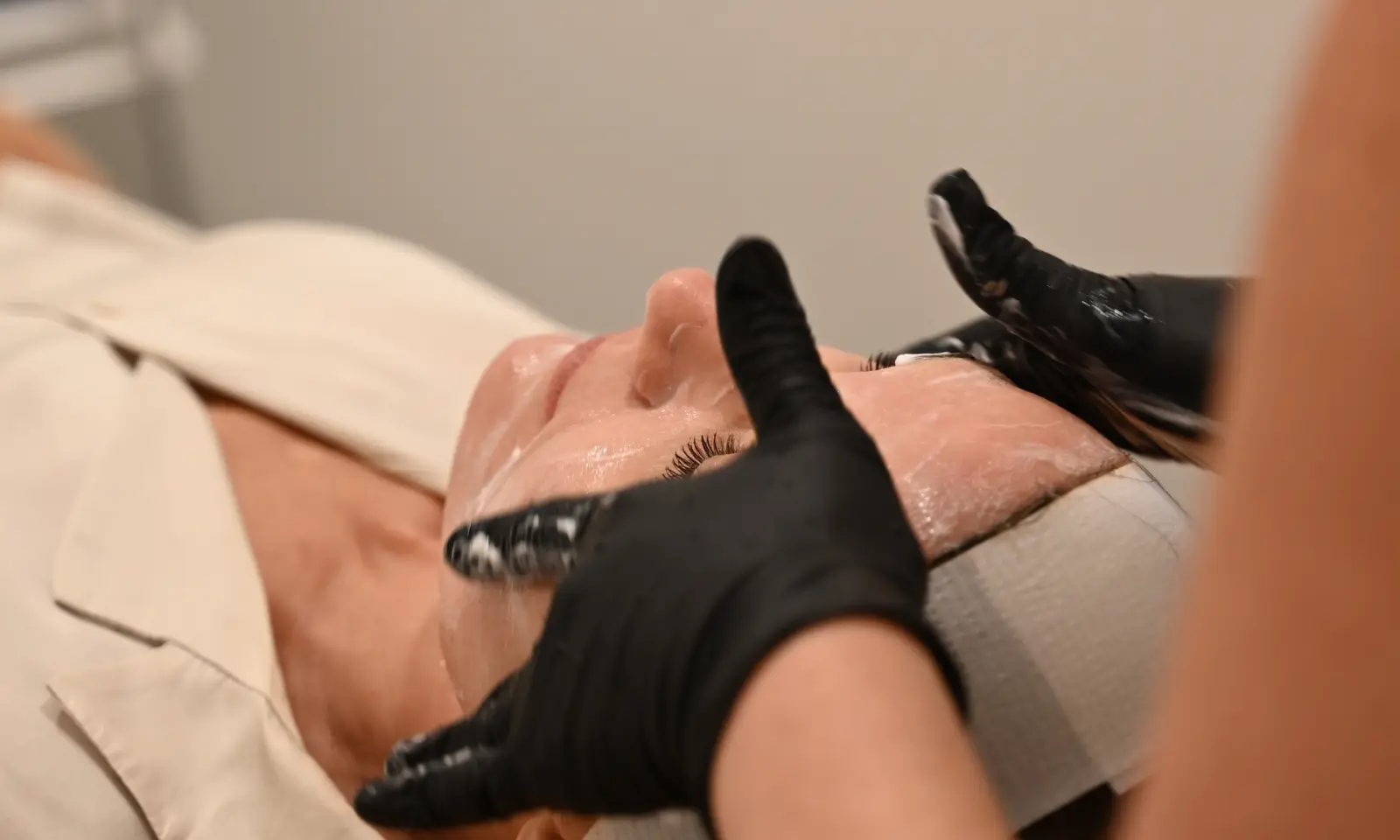
How consultations may be planned at Ascension
At Ascension Cosmetic Medicine, a consultation may include skin assessment, medical history review, imaging where appropriate, and discussion of suitable options.
The aim is to understand the concern before treatment is planned.
A recommendation should come after assessment. It should also follow a discussion about which options may suit you.
Risks, limits, recovery, aftercare, and alternatives should be explained before treatment starts.
Questions to ask during a cosmetic treatment consultation
Before deciding on treatment, it may help to ask:
- Is this option suitable for me?
- What are the risks and side effects?
- What are the limits of this treatment?
- What recovery or aftercare may be needed?
- How many appointments may be discussed?
- What happens if I do nothing?
- Are there other options?
- Will I need follow-up?
- What should I avoid before or after treatment?
- What costs are involved?
These points match guidance on what to ask before treatment. This includes asking about your options, possible benefits and harms, and what may happen if you choose no treatment.
Waiting or choosing no treatment can also be a valid choice.
Disclaimer
This article provides general information only. It doesn’t replace medical advice.
All cosmetic treatments need consultation first. A qualified health professional should check whether a treatment is suitable for you. They should explain the risks, side effects, limits, recovery, and aftercare. Other options should also be discussed before treatment starts.
Individual responses vary.

