


 Call Us
 Email Us
 Book a time
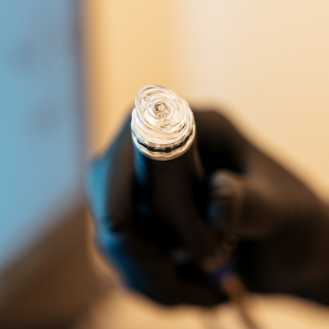
HydraFacial is a facial treatment that uses a patented device, similar to those used in a microdermabrasion procedure, to cleanse, exfoliate, and hydrate your skin. HydraFacials use water rather than crystals or diamond tips. The technical name for this process is hydradermabrasion.
This page outlines seven things to avoid following a HydraFacial to support recovery and help maintain the results of your treatment. Individual skin responses vary — if you have specific concerns following your treatment, please contact Ascension Cosmetic Medicine for advice.
What not to do after a HydraFacial – 7 things to avoid

After a HydraFacial, your skin may be sensitive and need special care. there are certain things you should steer clear of.
#1 — Avoid heavy makeup
HydraFacial uses a combination of AHAs and BHAs to cleanse and exfoliate the skin, which can temporarily increase skin sensitivity due to removal of superficial skin layers. During this period, makeup — particularly foundation and concealer — can trap dirt and oils in the pores, which may contribute to congestion and breakouts and may reduce the benefit of the treatment.
Where possible, allow at least 24 hours before applying makeup after your HydraFacial. This allows the skin time to settle and respond to the treatment.
If going without makeup is not practical, a tinted SPF or lightweight, non-comedogenic products that do not block pores are preferable alternatives. Mineral makeup or a tinted moisturiser may also be suitable options.
#2 — Avoid strenuous exercise
Sweat can irritate your freshly exfoliated skin, causing redness and breakouts. Plus, gym equipment can harbour bacteria that can easily transfer to your skin.
It is generally advisable to avoid strenuous exercise for one to two days following your HydraFacial.
Light activities such as walking or gentle stretching are preferable during this period, as these are less likely to cause irritation or introduce bacteria to the skin.
#3 — Limit sun exposure

Sun exposure carries risks for all skin types, including the potential for sunburn, pigmentation changes, and cumulative UV damage over time. Following a HydraFacial, the skin may be temporarily more susceptible to UV-related irritation and pigmentation, which may affect treatment outcomes.
To protect the skin following treatment:
- Apply a broad-spectrum sunscreen with SPF 50+ generously and reapply every two hours when outdoors
- Wear protective clothing, including wide-brimmed hats and sunglasses
- Where possible, seek shade during peak UV hours, generally between 10 a.m. and 4 p.m.
#4 — Avoid hot showers and baths
Remember, your skin is slightly sensitised after your HydraFacial, so high temperatures can slow down healing and cause skin dryness.
Instead, use lukewarm water when you shower or bathe. This keeps things gentle and helps avoid any unnecessary irritation.
It’ll also be best to use gentle cleansers. Look for fragrance-free products designed for sensitive skin to keep your face calm and clean without contributing to irritation.
By keeping the water temperature mild, you’re being kind to your skin. This simple step helps maintain your HydraFacial results and helps make sure that your skin stays happy and healthy.
#5 — Stay away from harsh skincare products
Resist any harsh skincare products for the first 24 hours after your treatment. They can cause irritation and counteract the benefits of your treatment. As much as possible, try to avoid ingredients containing retinol, glycolic acid, and salicylic acid because they can be too intense for your freshly exfoliated and treated skin.
A simple post-HydraFacial skincare routine might include:
- A gentle cleanser used in the morning and at night to remove impurities without stripping your skin
- A hydrating serum applied after cleansing to support moisture retention
- A lightweight moisturiser containing gentle ingredients
- Sunscreen, which will protect your skin from UV damage
Your clinician at Ascension Cosmetic Medicine can advise on suitable products for your skin type and post-treatment care.
#6 — Avoid touching your face
Touching your skin too much can transfer bacteria, which increases the risk of breakouts and infections. Your skin is a bit delicate after your treatment and introducing bacteria can disrupt the healing process.
Plus, constantly touching your face can also cause irritation. The friction from your hands can aggravate your skin, leading to redness and sensitivity.
To help keep your hands away from your face, be mindful of your actions. Make a conscious effort to notice when you’re about to touch your face — and stop yourself. Keeping your hands busy with tasks or holding something like a stress ball can also help.
Also, wash your hands regularly to minimise bacteria in case you touch your face accidentally.
#7 — Avoid alcohol consumption
Alcohol can contribute to dehydration, which may affect the skin’s natural moisture levels and slow recovery following a HydraFacial.
Where possible, avoiding alcohol for at least 24 hours after treatment is advisable. Adequate water intake during the recovery period supports overall skin hydration.

Why post-HydraFacial care matters
During a HydraFacial, the vortex-fusion process temporarily removes the superficial outer layer of the skin, which means the skin is transiently more susceptible to environmental factors and irritating products.
Appropriate aftercare in the period following treatment supports recovery and helps maintain the outcomes of the treatment.
If you notice redness, unusual irritation, or breakouts following your HydraFacial that do not resolve within a few days, please contact Ascension Cosmetic Medicine for advice.
Responding to your skin
Individual skin types respond differently to treatment. If your skin shows unexpected reactions following your HydraFacial — including persistent redness, irritation, or breakouts — this is a sign to review your aftercare routine or seek guidance from your treating clinician.
To discuss any concerns following your treatment, please contact Ascension Cosmetic Medicine.

